

 Back
Back


 Back to Catagories


Table of Contents


 + 44 7452
122728
+ 44 7452
122728
 07-Sep-2026
Hailey Davis
Your employees are not just part of your business. Instead, they are your business. They bring ideas, creativity, and problem-solving abilities that keep a business running and evolving. When they are supported well, their impact can be truly transformative. This is where Human Capital Management plays a key role.
It focuses on managing employees in a more thoughtful and strategic way. Rather than treating HR as just an administrative function, it aligns people with business goals. In this blog, we’ll explore What is Human Capital Management, its components, benefits and best practices for steady growth. Let's get started!
What is Human Capital Management (HCM)?
Human Capital Management (HCM) is a systematic approach to managing people within an organisation. It goes beyond traditional Human Resource (HR) practices by focusing on employees as valuable assets. Their skills, knowledge, and experience contribute directly to business success.
HCM covers the entire employee lifecycle, including recruitment, onboarding, training, performance management, and payroll. It also aligns employee efforts with organisational goals to improve overall efficiency. As a result, it helps businesses build a skilled workforce and achieve consistent growth.
Why is Human Capital Management Important?
Human Capital Management is important because people are the most valuable part of any business. No matter how strong a company’s strategy or technology is, it is the employees who drive results, solve problems, and help the business grow. Managing them effectively ensures that their skills and efforts are used in the best possible way.
HCM helps organisations hire, train, and place the right people in suitable roles. This reduces employee turnover, improves job satisfaction, and creates a more productive work environment. It allows organisations to plan ahead, identify skill gaps, and improve overall workforce management.
Components of Human Capital Management
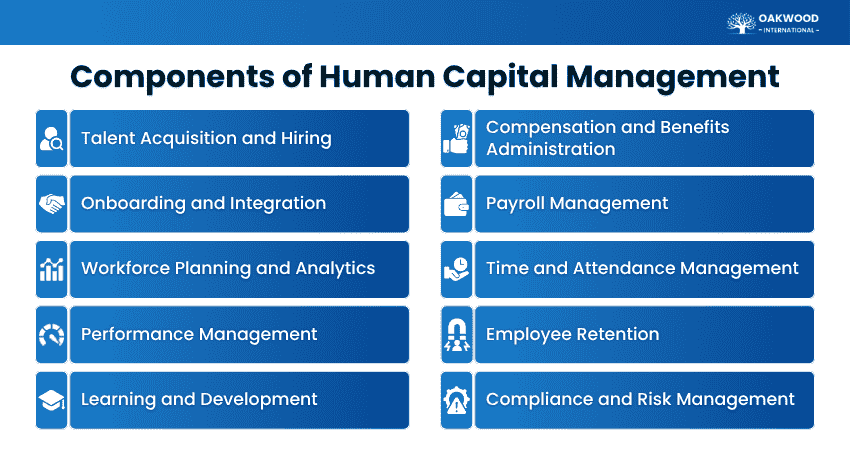
Human Capital Management includes several components that work together to manage employees properly. These components cover the entire journey of an employee, starting from hiring to leaving the organisation. Let's check those components:
1) Talent Acquisition and Hiring
Talent acquisition and hiring are about finding the right people for the organisation. It includes understanding job needs, attracting candidates, and selecting the best person for the role. A strong hiring process helps build a capable and high-performing team from the beginning, reducing hiring mismatches and improving long-term organisational success.
2) Onboarding and Integration
Onboarding and Integration help new employees get comfortable in the organisation. It introduces them to company rules, culture, and their job roles. This process makes employees feel comfortable and confident, enabling them to become productive more quickly and integrate smoothly into their teams.
3) Workforce Planning and Analytics
Workforce planning and analytics focus on understanding employee needs using data. It helps organisations decide how many employees are needed and what skills are required. By aligning workforce planning with business goals, organisations can ensure they have the right people in place, improving efficiency and long-term planning.
4) Performance Management
Performance management is about setting goals and checking how well employees are doing. It includes regular feedback, performance reviews, and recognition of achievements. This process helps employees improve their work and align with organisational objectives, driving productivity and continuous improvement.
5) Learning and Development
Learning and development focus on improving employee skills and supporting their career growth. Organisations provide training, workshops and learning opportunities to help employees stay updated and perform better. This not only improves performance but also prepares employees for future roles, supporting succession planning and long-term growth.
6) Compensation and Benefits Administration
Compensation and benefits administration is about managing employee pay and rewards in a structured way. It includes salaries, bonuses, and benefits like insurance and leave policies. A well-managed system ensures fairness, keeps employees satisfied, and helps attract and retain talent.
7) Payroll Management
Payroll management ensures employees are paid correctly and on time. It includes calculating salaries, handling deductions, and keeping records. An efficient payroll system also ensures compliance with legal requirements and builds trust among employees.
8) Time and Attendance Management
Time and attendance management involves tracking employees' working hours, leaves, and absences. It helps organisations maintain accurate records and supports payroll processing. This component also improves workforce planning and ensures smooth daily operations.
9) Employee Retention
Employee retention focuses on keeping employees in the organisation for a longer time. It involves creating a positive work environment, offering growth opportunities, and recognising employee efforts. Effective retention strategies reduce turnover and help maintain a stable, experienced workforce, which supports long-term organisational success.
10) Compliance and Risk Management
Compliance and risk management ensure that the organisation follows labour rules and laws. It involves updating policies, maintaining records, and reducing legal risks. This component helps create a fair, safe, and ethical working environment for all employees.
Take a meaningful step towards professional growth with the Human Capability Development Programme Course – Register today!
Benefits of Human Capital Management
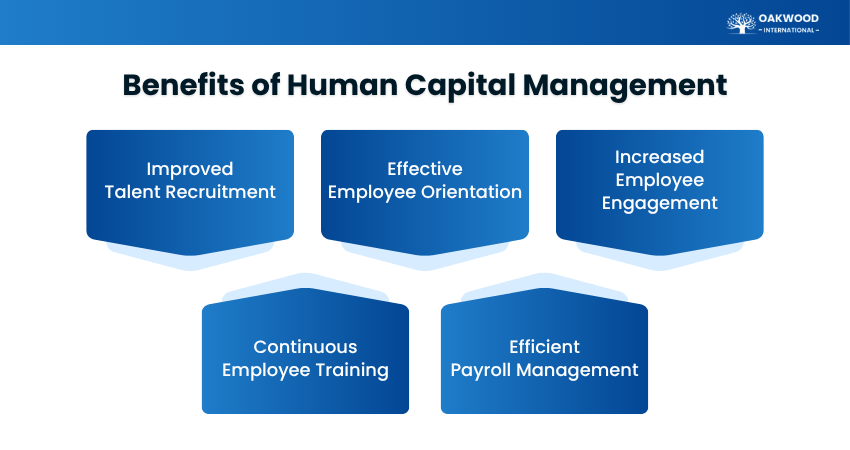
Human Capital Management offers many benefits that help both employees and organisations. When companies manage their workforce properly, employees feel more supported and perform better in their roles. This creates a positive cycle where both sides benefit. Some of the main benefits include:
1) Improved Talent Recruitment
Talent recruitment is the process of finding and hiring suitable people for a job. It is one of the most important parts of HCM because having the right employees can make a big difference in business success. This leads to better performance and reduces the chances of hiring mismatches.
2) Effective Employee Orientation
Employee orientation is the process of introducing new employees to the organisation. HCM supports effective orientation procedures by helping new hires understand their roles, company culture, and expectations. When done effectively, employees feel confident and comfortable, allowing them to become productive more quickly.
3) Increased Employee Engagement
HCM plays a key role in improving employee engagement. It creates a work environment where employees feel valued, heard, and motivated. Engaged employees are more productive, committed, and likely to stay with the organisation.
4) Continuous Employee Training
Training helps employees enhance their skills and knowledge. HCM encourages continuous learning with relevant training and development opportunities. It helps employees become prepared for changing job requirements and stay updated with new tools, technologies, and methods.
5) Efficient Payroll Management
Payroll management may seem simple, but it is very important for employee satisfaction. HCM ensures accurate and timely payroll processing. It helps manage salaries, deductions, and compliance efficiently. A reliable payroll system builds trust among employees and reduces errors in financial management.
Challenges of Human Capital Management
Even though Human Capital Management has many benefits, it also comes with challenges. Here are those challenges that you need to take care of:
1) Upskilling and Reskilling
One of the major challenges is keeping employee skills up to date. As industries change and new technologies evolve, employees need to learn those skills or improve existing ones. Providing the right training needs time, planning, and resources, making it a continuous challenge for organisations.
2) Attracting and Retaining Top Talent
Finding and retaining skilled employees is highly difficult in the present day. Companies need to offer good salaries, growth opportunities, and a positive workplace to attract and retain top talent.
3) Keeping Pace With Technology
Technology is continuously growing and businesses need to keep up to stay competitive. Adopting emerging tools and systems can be challenging, especially when employees need training to use them effectively.
4) Navigating Complex and Changing Regulations
Organisations have to follow various labour laws and regulations, which can change frequently. Aligning with these changes and ensuring compliance can be difficult. Failure to follow rules can lead to legal issues and financial penalties, making this a critical challenge.
5) Managing a Remote and Multi-generational Workforce
Today’s workforce includes employees from different age groups and many are working remotely. Managing such a diverse workforce requires flexible policies and strong communication. Organisations must ensure that all employees feel included and able to collaborate effectively.
Learn how to use data to improve hiring and performance with the HR Analytics Course – Sign up soon!
Best Practices for Effective Human Capital Management
To make Human Capital Management successful, businesses need to follow certain best practices. By focusing on the right strategies, you can build a strong workforce. Below are some practices that you can implement:
1) Promote Employee Engagement
Employee engagement plays a significant role in building a strong workforce. When employees feel connected to their work, they tend to perform better and stay committed. Organisations can strengthen engagement by promoting open communication, acknowledging contributions, and offering opportunities for growth. This leads to a more productive workplace.
2) Develop a Strong HCM Strategy
A strong HCM strategy helps organisations manage their workforce in a structured way. It includes clear goals, plans, and processes for handling different HR activities. Regularly checking and updating the strategy ensures it stays relevant and effective. A well-defined strategy also helps align employee efforts with business goals.
3) Prioritise Core HR Functions
While adopting new practices is important, organisations should not ignore basic HR functions. Tasks like hiring, payroll, and compliance form the foundation of effective HCM. When these core functions are handled properly, organisations can run smoothly and focus on improving employee development and engagement.
Conclusion
Human Capital Management is more than just a modern HR practice. It is a powerful way to manage people in an organisation. With a proper understanding of What is Human Capital Management and using the right HCM practices, companies can improve productivity and build a positive work environment. Ultimately, this creates a workplace where both employees and organisations can grow together.
Build the skills you need to lead teams effectively with HR Leadership Courses – Join now!
Frequently Ask Questions
What is HCM Software?
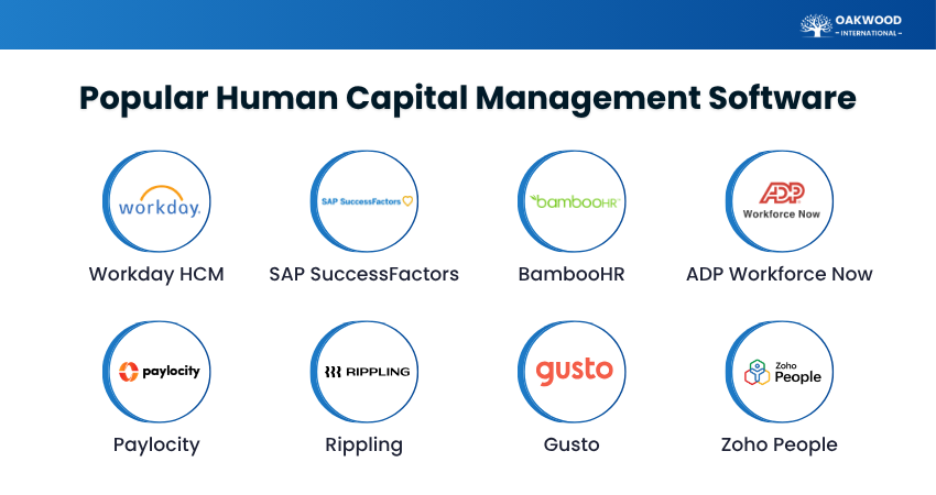
HCM software is a tool that helps organisations manage their HR tasks in one place. It includes features like hiring, payroll, performance tracking, and training management. This makes HR processes easier, faster, and more accurate.
How Does HCM Improve Employee Engagement?
HCM improves employee engagement by personalising employee experiences. It helps employees grow in their roles, encourages regular feedback, and recognises their efforts. By aligning individual objectives with company goals, it builds trust, increases motivation and helps employees stay productive in the long run.
Is HCM the Same as HR?
HCM and HR are related but not exactly the same. HR focuses more on basic tasks like hiring and payroll, while HCM takes a broader approach. It focuses on employee growth, engagement, and long-term value for the organisation.
Related Blogs
Didn’t Find What You’re Looking For?

Our commitment to excellence ensures an exceptional learning experience tailored to your professional development needs.


© Copyright 2026 - Oakwood International ™ - All rights reserved.


SUPER SALE
 Get Amazing Discounts
And Deals
Get Amazing Discounts
And Deals