

 Back
Back


 Back to Catagories


Table of Contents


 + 44 7452
122728
+ 44 7452
122728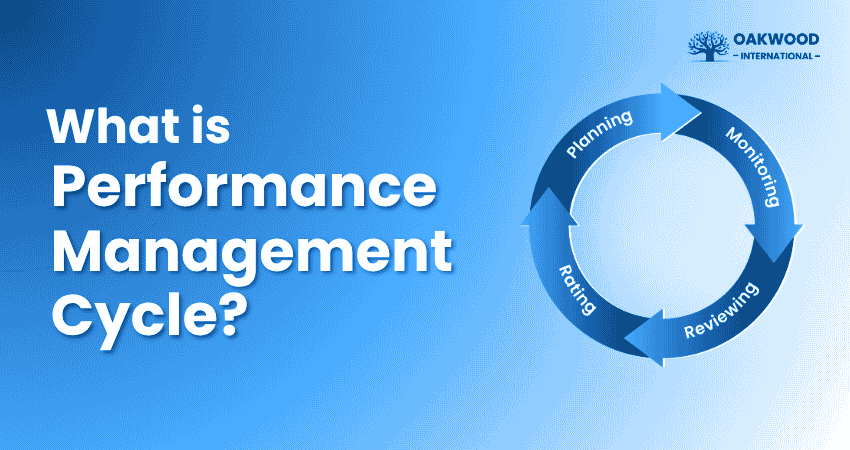
 27-Jul-2026
Grace Mitchell
Managing performance is about guiding employees consistently towards success. The Performance Management Cycle brings structure to this process by helping organisations set clear expectations, track progress and support employees at every stage. It turns Performance Management into a meaningful practice instead of a one-time activity.
It connects individual contributions to business goals, making work purposeful and results measurable. With regular feedback, clear goals and continuous development, it keeps employees motivated and supports sustainable growth. In this blog, you will learn about what is Performance Management Cycle, its importance, stages, and more. Let’s begin!
What is the Performance Management Cycle?
The Performance Management Cycle is a continuous process used to evaluate and improve performance throughout the year. It includes goal setting, progress monitoring, employee development, and a final review to ensure ongoing improvement.
The Performance Management Cycle’s main purpose is to align employee efforts with organisational goals through clear plans and regular feedback. Also, it supports coaching and development, helping both individuals and teams perform effectively.

Why is the Performance Management Cycle Important?
The Performance Management Cycle is important because it helps organisations maximise employee output. By setting clear expectations and tracking performance, organisations are enabled to measure progress accurately and make informed decisions to improve results. Also, it allows businesses to regularly review and adjust their goals, helping them stay flexible and competitive in changing market conditions.
At the same time, the Performance Management Cycle benefits employees by providing continuous support, development, and recognition. Regular feedback and collaboration make employees feel valued, while clear growth opportunities improve job satisfaction. This leads organisations to promote higher employee engagement and retention.
What are the Four Stages of the Performance Management Cycle?
The Performance Management Cycle consists of four key stages that help organisations manage performance in a structured and continuous way. Let’s look at the Performance Management Cycle Stages below:
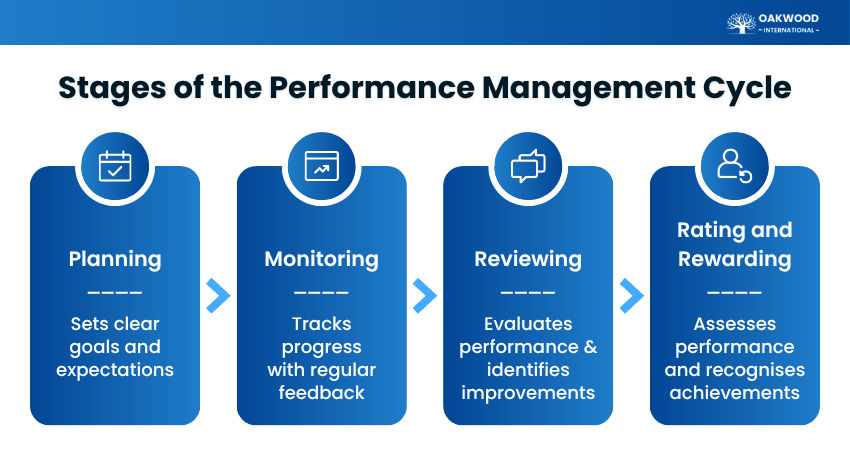
1) Planning
The Performance Management Cycle's planning stage lays the foundation by setting clear goals that align with organisational objectives. It involves collaboration between Managers and employees to ensure expectations are understood and achievable, while also identifying areas for development.
Key Activities in this Stage:
a) Define organisational and individual goals
b) Use Specific, Measurable, Achievable, Relevant, Time-bound (SMART) goals
c) Align employee goals with business strategy
d) Identify training and development needs
2) Monitoring
The monitoring stage focuses on tracking progress and providing ongoing support throughout the year. Regular interactions help ensure employees stay on track and that issues are addressed proactively.
Key Activities in this Stage:
a) Conduct regular check-ins (monthly or quarterly)
b) Track progress against goals
c) Provide feedback and guidance
d) Adjust goals if priorities change
Learn how to turn HR data into actionable insights with the
HR Analytics Course
– Sign up now!
3) Reviewing
Performance Management Cycle’s reviewing stage evaluates overall performance at the end of the cycle. It helps to assess outcomes, understand challenges, and identify areas for improvement. This stage provides valuable insights that support better planning and performance in future cycles.
Key Activities in this Stage:
a) Assess achievement of goals
b) Evaluate performance and outcomes
c) Discuss challenges and improvements
d) Provide constructive feedback
4) Rating and Rewarding
The rewarding stage recognises employee efforts and achievements, helping to maintain Employee Motivation and engagement. Fair recognition encourages continued high performance. This stage reinforces positive performance and motivates employees to maintain high standards.
Key Activities in this Stage:
a) Offer bonuses or salary increases
b) Provide promotions or new opportunities
c) Recognise achievements publicly or formally
d) Ensure rewards are fair and merit-based
Bring AI into your HR decision-making by joining the
Certified Artificial Intelligence (AI) For HR Managers Training
today!
How to Develop an Effective Performance Management Cycle?
Developing an effective Performance Management Cycle requires a structured and consistent approach that supports clarity, collaboration, and continuous improvement. The key steps of the Performance Management Cycle are mentioned below:
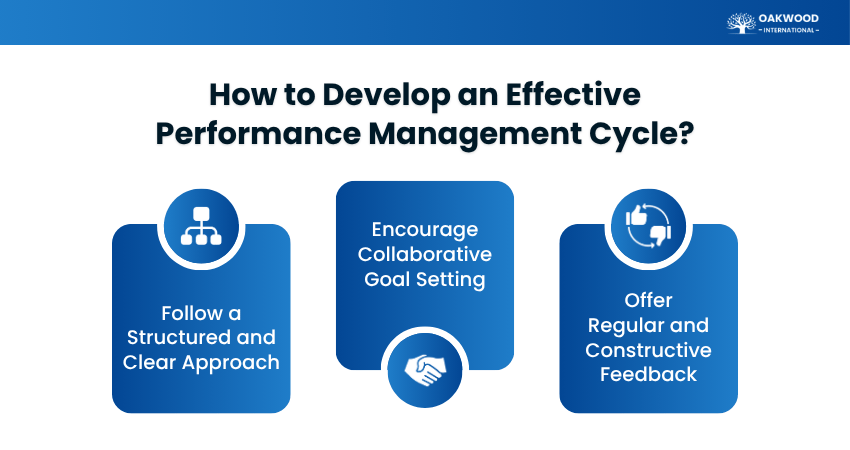
1) Follow a Structured and Clear Approach
Clearly define what is expected from employees and how their performance will be measured. Document roles, responsibilities, and performance standards to track progress and identify achievements. This creates transparency and helps build confidence among employees.
2) Encourage Collaborative Goal Setting
Involve employees in the goal-setting process to increase ownership and motivation. Ensure goals are time-bound and aligned with key performance indicators. This helps the employees understand how their work contributes to organisational success.
3) Offer Regular and Constructive Feedback
Maintain regular communication through consistent feedback and check-ins. Offer constructive feedback, discuss progress, and address challenges early to support continuous improvement and better performance outcomes.
Conclusion
The Performance Management Cycle plays a key role in turning employee potential into consistent business success. By focusing on clear goals, regular feedback, and continuous development, organisations can create a culture of accountability, growth, and motivation. When implemented effectively, it improves performance, strengthens engagement, and drives long-term organisational success.
Lead people effectively, create smart HR strategies, and drive long-term impact with HR leadership by joining the HR Leadership Courses now!
Frequently Ask Questions
What are the Three Pillars of Performance Management?
The three pillars of Performance Management include:
a) Setting Clear Expectations: Set SMART goals aligned with business objectives.
b) Feedback and Coaching: Give regular feedback and support to guide improvement and progress.
c) Accountability and Support: Hold employees responsible while offering resources for growth.
What are the Three Cs of Performance Management?
The three Cs of Performance Management include:
Continuous: Regular check-ins and real-time feedback replace annual reviews.
Contextual: Use data and clear goals to guide performance and build skills.
Cultural: Align performance with values, recognise contributions and build engagement.
What is Continuous Performance Management?
Continuous Performance Management is an Agile approach that replaces annual reviews with regular check-ins, real-time feedback and flexible goal setting. It improves engagement, supports development and allows organisations to adjust goals based on changing business needs.
Related Blogs
Didn’t Find What You’re Looking For?

Our commitment to excellence ensures an exceptional learning experience tailored to your professional development needs.


© Copyright 2026 - Oakwood International ™ - All rights reserved.


SUPER SALE
 Get Amazing Discounts
And Deals
Get Amazing Discounts
And Deals