

 Back
Back


 Back to Catagories


Table of Contents


 + 44 7452
122728
+ 44 7452
122728
 17-Sep-2026
Maria Thompson
Joining a new organisation and leaving one are both significant moments in an employee's journey. The way these transitions are managed can influence employee experience, productivity, and the organisation's overall success. This is where employee Onboarding and Offboarding become essential.
They help organisations create smooth transitions, build positive workplace experiences, protect valuable knowledge, and maintain business continuity. Together, they support a structured employee lifecycle while strengthening workforce management. In this blog, you will learn about what is Onboarding and Offboarding, their key differences, importance, and more. Let's begin!
What is Onboarding?
Onboarding refers to the process of integrating a new employee into an organisation after they accept a job offer. It includes a series of activities designed to help new hires understand their role, responsibilities, workplace culture, policies, and expectations.
Onboarding is an ongoing process that continues until employees become fully productive in their roles. It may include orientation, training, team introductions, and access to essential tools and systems, helping new hires integrate smoothly into the organisation.
Why is the Onboarding Process Important?
A well-structured Onboarding process helps new employees settle into their roles, understand organisational expectations, and become productive more quickly. Let's look at some of the important reasons for an effective Onboarding process below:
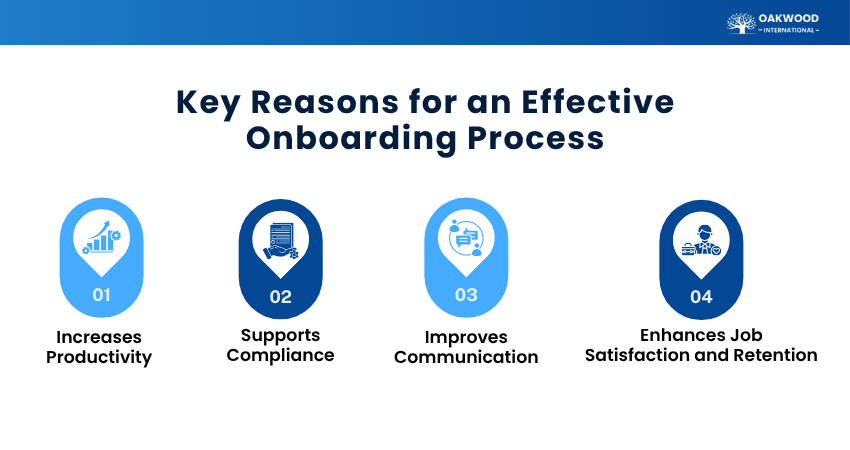
a) Increases Productivity: Introduces employees to the tools, systems, and processes they need to perform their jobs effectively.
b) Supports Compliance: Ensures employees understand company policies, procedures, and organisational goals from the start.
c) Improves Communication: Encourages early interaction with managers and team members, helping build strong working relationships.
d) Enhances Job Satisfaction and Retention: Creates a positive first impression, making employees feel welcomed, engaged, and more likely to remain with the organisation.
What is Offboarding?
Offboarding refers to the process of managing an employee's departure from an organisation. It includes all the activities required to formally end the employment relationship; from the time an employee resigns until their final interaction with the organisation.
Generally, the Offboarding process includes returning company assets, transferring responsibilities, revoking system access, and completing necessary administrative tasks. The timeline may vary depending on the reason for departure and organisational requirements, but its goal is to ensure a smooth and professional transition.
Why is the Offboarding Process Important?
A structured Offboarding process helps organisations manage employee departures professionally while minimising disruption to business operations. Let's look at some of the important reasons for an effective Offboarding process below:
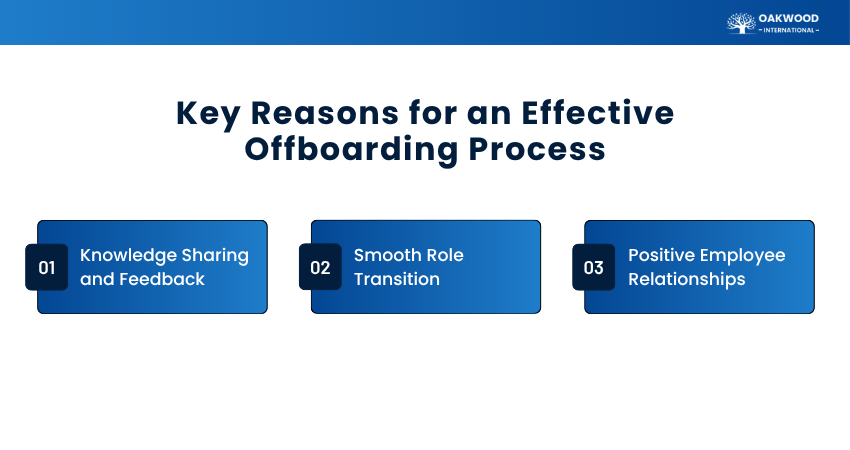
a) Knowledge Sharing and Feedback: Offboarding allows employees to share valuable feedback and insights that can help improve workplace practices and employee experiences.
b) Smooth Role Transition: Offboarding ensures responsibilities, projects, and key information are transferred effectively, reducing disruption and supporting business continuity.
c) Positive Employee Relationships: A professional Offboarding experience helps maintain positive relationships with former employees and strengthens the organisation's reputation.
Learn to drive effective business performance through effective people management with the CIPD Level 5 Associate Diploma in People Management Course- Join now!
Key Differences Between Onboarding and Offboarding
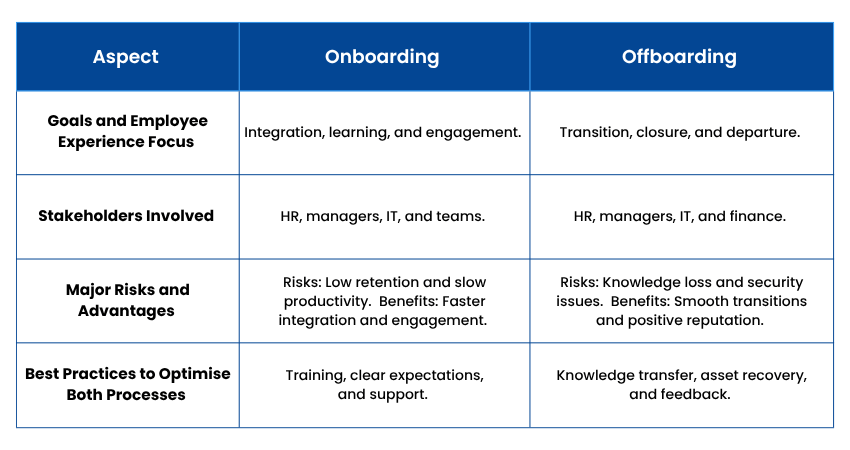
Although employee Onboarding and Offboarding occur at opposite stages of the employee lifecycle, both play an important role in shaping employee experience and organisational success. Let's look at the table below that highlights the key differences between employee Onboarding and Offboarding:
1) Goals and Employee Experience Focus
Onboarding focuses on helping new employees integrate into the organisation. It introduces them to their role, team, workplace culture, and expectations, enabling them to become productive and confident in their new position.
In contrast, Offboarding focuses on managing an employee's departure professionally. It ensures a smooth transition, preserves organisational knowledge, and leaves employees with a positive final impression of the organisation. Both processes aim to create meaningful employee experiences at different stages of the lifecycle.
2) Stakeholders Involved
During Onboarding, HR, managers, IT teams, and colleagues work together to support new hires. Their responsibilities include providing training, granting system access, assigning resources, and helping employees settle into the workplace.
In contrast, during Offboarding, many of the same stakeholders are involved, but their responsibilities change. They coordinate handovers, recover company assets, remove system access, complete administrative tasks, and manage the employee's exit process. Effective coordination between stakeholders ensures smooth transitions in both processes.
3) Major Risks and Advantages
If Onboarding is poorly managed, employees may struggle to understand their responsibilities, feel disconnected from the organisation, or leave shortly after joining. Effective Onboarding improves engagement, productivity, and retention.
In contrast, if Offboarding is not handled properly, organisations may face knowledge loss, security risks, or reputational challenges. A structured Offboarding process supports business continuity, protects company information, and strengthens employer branding. Managing these risks effectively helps organisations maintain stability and performance.
4) Best Practices to Optimise Both Processes
Effective Onboarding requires clear communication, role-specific training, regular check-ins, and access to the tools and resources employees need to succeed. These practices help employees adapt more quickly and confidently.
In contrast, effective Offboarding involves structured handovers, timely access removal, asset recovery, and exit interviews. Maintaining clear communication and gathering feedback can help organisations improve future employee experiences and transitions. Applying best practices consistently ensures a positive experience throughout the employee lifecycle.
Lead workforce strategy with confidence and credibility by joining the CIPD Level 7 Advanced Diploma in Strategic People Management Course now!
Why is it Important to Compare Onboarding and Offboarding?
Although Offboarding and Onboarding take place at different stages of the employee lifecycle, both influence employee experience, productivity, retention, and organisational reputation. Comparing them helps organisations create a consistent and effective employee journey. Let's look at it more below:
A Holistic Approach to the Employee Lifecycle:
Reviewing Onboarding and Offboarding together helps organisations identify strengths and gaps across the employee lifecycle. Comparing both processes can reveal:
a) Improvements needed in organisational culture
b) Gaps in talent management practices
c) Opportunities to build employee advocacy
d) Inconsistencies in employee experience
Strengthening Employee Relationships:
A positive Onboarding experience helps employees start confidently, while effective Offboarding ensures they leave on good terms. Together, they help strengthen long-term employee relationships. Analysing both processes helps organisations:
a) Evaluate alignment with company values
b) Improve internal communication
c) Enhance process efficiency
Completing the Employee Lifecycle:
Comparing employee Onboarding and Offboarding provides a complete view of the employee journey and supports continuous improvement. This approach can help organisations:
a) Gather valuable employee feedback
b) Identify turnover trends
c) Support future rehires and collaborations
Common Mistakes in Onboarding and Offboarding
Even well-structured employee Onboarding and Offboarding processes can be ineffective if common mistakes are overlooked. Avoiding these issues can help organisations create a better experience for both new and departing employees. Let's look at some common mistakes below:
a) Overlooking First Impressions: A poor Onboarding experience can make new employees feel unsupported and disconnected from the organisation. Creating a welcoming environment from the start helps improve engagement, confidence, and long-term commitment.
b) Neglecting Continuous Training: Many organisations treat Onboarding as a one-time event rather than an ongoing process. Without continued training and development opportunities, employees may struggle to grow, remain engaged, and reach their full potential.
c) Inadequate Communication During Offboarding: Poor communication during Offboarding can leave departing employees with a negative impression of the organisation. Clear communication, professional handling of the exit process, and respectful farewells help maintain positive relationships and protect employer's reputation.
Conclusion
Onboarding and Offboarding play a crucial role in shaping the employee lifecycle and overall workplace experience. Together, they contribute to employee satisfaction, business continuity, and organisational success. By managing these processes effectively, organisations can build stronger relationships, improve retention, and enhance their employer brand.
Lead workplace success through strategic HR skills with the CIPD Qualification – Sign up now!
Frequently Ask Questions
What are the Four Phases of Onboarding?
The four phases of Onboarding are:
a) Pre-onboarding: Complete paperwork and prepare resources
b) Orientation: Introduce company culture, policies, and teams
c) Role-specific Training: Provide job-related training, expectations, and feedback
d) Ongoing Development: Support career growth, integration, and long-term engagement
What is the 30-60-90 Onboarding Rule?
The 30-60-90 Onboarding rule is a structured approach that guides new employees through their first three months. The first 30 days focus on learning, days 31–60 emphasise contributing to team goals, and days 61–90 centre on taking ownership of responsibilities.
Does Offboarding Mean Fired?
Related Blogs
Didn’t Find What You’re Looking For?

Our commitment to excellence ensures an exceptional learning experience tailored to your professional development needs.


© Copyright 2026 - Oakwood International ™ - All rights reserved.


SUPER SALE
 Get Amazing Discounts
And Deals
Get Amazing Discounts
And Deals