

 Back
Back


 Back to Catagories


Table of Contents


 + 44 7452 122728
 20-Mar-2026
People Management is no longer just a soft skill. In today’s workplaces, it is a critical leadership ability that organisations actively look for when Hiring Managers and Team Leaders. They need to motivate employees, encourage collaboration, and support the career growth of their team members.
This is why interviewers often ask People Management questions to evaluate how professionals lead teams, make decisions, and address real workplace situations. In this blog, we will explore People Management Interview Questions and answers to help you prepare effectively and spotlight your skills during your next interview. Let's dive in!
People Management Interview Questions With Answers
People Management refers to the process of leading, guiding and supporting employees to achieve both individual and organisational goals. If you want to be effective in your People Management skills, you require a combination of leadership, communication and emotional intelligence. These abilities are carefully assessed by employers during interviews for managerial or leadership roles.
Let's look at some of the most commonly asked People Management Interview Questions along with the ideal answers. These examples will help you understand what interviewers expect and how you can present your leadership skills with confidence.
1) What are the five Cs of effective People Management?
The five Cs of effective People Management are:
a) Clarity: It ensures that team members understand their roles, responsibilities, and goals.
b) Communication: It helps maintain transparency and encourages feedback within the team.
c) Courage: It allows Managers to make decisions and address challenges confidently.
d) Consistency: It builds trust by treating employees fairly.
e) Collaboration: It promotes teamwork and collective problem solving.
2) How do you stay motivated and inspire your team?
“I keep up my motivation by focusing on the impact our work has on the organisation and by setting clear, achievable goals for the team. Seeing progress and positive results keeps me engaged and committed. To inspire my team, I maintain open communication, recognise team members’ achievements and provide regular feedback. I also encourage team members to share ideas and take ownership of their work, so they feel valued and motivated to perform at their best.”
3) Describe the best possible approaches to interaction with coworkers
“The best interactions with coworkers involve clear communication, mutual respect, and active listening. I make sure that the discussions are open, constructive and solution-focused, so everyone feels comfortable sharing ideas and perspectives. I also try to address concerns promptly and encourage collaboration through meetings, project discussions, and casual conversations.”
4) How do you support coworkers in advancing their careers?
“I support my coworkers by understanding their career goals and helping them identify opportunities for development. This may involve recommending training programmes, assigning projects that build new skills, or providing mentorship. I also encourage regular feedback sessions so employees can be aware of their strengths, identify improvement areas and plan their career progression more effectively.”
5) How do you assign tasks and ensure stheir uccessful delivery?
“When assigning tasks, I consider each team member’s skills, experience, and workload to ensure responsibilities are distributed effectively. I clearly explain the objectives, expected outcomes, and deadlines while providing the resources needed to complete the work. Throughout the project, I monitor progress through regular check-ins, offer guidance when required and ensure any challenges are addressed quickly to achieve successful delivery.”
6) Why is Conflict Management essential in the workplace?
Conflict Management is highly essential because disagreements can affect team morale and productivity if not handled properly. By addressing conflicts early and encouraging open discussion, Managers can prevent misunderstandings and sustain a positive work environment. Effective conflict resolution also strengthens employee relationships and helps teams focus on achieving shared goals.
7) What practices should be avoided when managing coworkers?
Managers might try to avoid practices such as micromanaging, favouritism, poor communication and ignoring employee feedback. These behaviours can reduce trust, lower motivation, and create an unhealthy work environment. Instead, Managers must focus on transparency, fairness and open communication so employees feel respected, supported, and confident in their leadership.
8) How would you acknowledge a coworker's success?
“I acknowledge a coworker’s success by recognising their achievements publicly and thanking them for their contribution. This can be done during team meetings, appreciation messages, or formal recognition within the team, so their efforts are visible and valued. I also try to highlight how their work positively impacts the team or project. In addition, I support their continued growth by encouraging new opportunities or responsibilities that align with their strengths and career goals.”
Improve workforce planning with the Talent Management Training – Register today!
9) Which core skills are most important for People Managers?
The most important skills for People Managers include communication, leadership, emotional intelligence, problem-solving and decision-making. These skills help Managers lead teams effectively, address workplace challenges and maintain strong relationships with employees. In addition, adaptability and the ability to motivate team members are equally important, as they help Managers respond to changing situations and keep the team focused on achieving shared goals.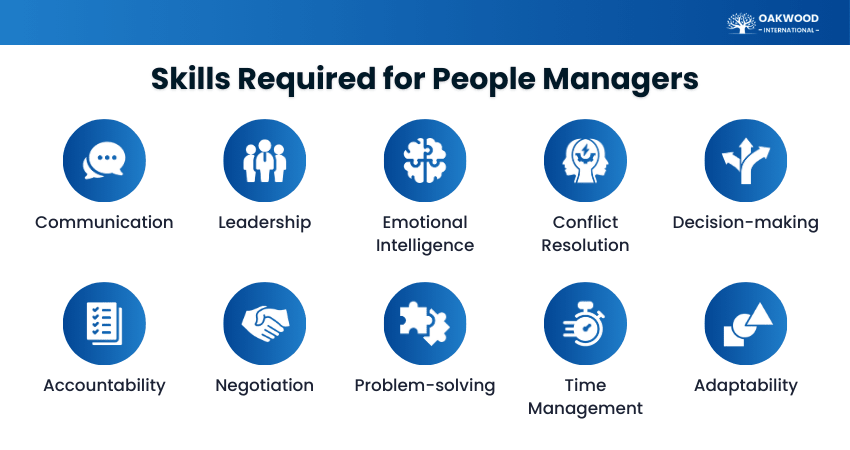
10) What are your reasons for leaving your current organisation?
“I am looking for new opportunities where I can continue developing my leadership skills and contribute to larger organisational goals. While I have gained invaluable experience in my current role, I am interested in taking on new challenges and expanding my responsibilities. I would like to work in an environment where I can further grow professionally, apply my experience in new ways, and make a broader impact within the organisation.”
11) Can you describe a time you chose a thorough approach over a shortcut?
“In one project, my team was preparing to launch an internal reporting dashboard for senior management under a tight deadline. Some team members suggested skipping the final data validation checks to save time. However, I chose to complete the full review process, which helped us identify a few data inconsistencies. Although it took longer, it ensured accurate reporting and prevented issues after the launch.”
12) How do you cultivate collaboration and teamwork within your team?
“I nurture collaboration and teamwork by creating an inclusive environment where all the team members can feel comfortable sharing ideas and asking for support when needed. I encourage regular team discussions, knowledge sharing, and assign projects that require cross-functional cooperation. I also make sure to recognise team achievements, not just individual contributions, which helps build trust, strengthen relationships and encourage a strong sense of collective responsibility.”
13) How do you address disciplinary issues among team members?
“When dealing with disciplinary issues, I first try to understand the situation by speaking privately with the employee. I explain the concern clearly and give them an opportunity to share their perspective. Together, we discuss possible improvements and set clear expectations moving forward. My goal is always to correct behaviour while maintaining fairness and a supportive work environment that encourages improvement and accountability.”
14) Can you share your experience and approach to Team Management?
“My approach to Team Management is people-centric and performance-focused. I understand each team member’s strengths and working style, so responsibilities can be assigned effectively. I set clear expectations, maintain open communication through regular check-ins, and encourage collaboration and idea sharing. My goal is to cultivate a supportive environment where team members feel valued, stay accountable and work together to achieve shared goals.”
15) How do you manage resistance to change within a team?
“Resistance to change often occurs when employees feel uncertain about the outcome or how it may affect their work. I address this by clearly explaining the reasons behind the change and the benefits it brings to both the team and the organisation. I also encourage team members to share their concerns, answer their questions openly and involve them in the transition process. This helps me build trust and makes it easier for the team to adapt to the new approach.”
Enhance your talent sourcing strategies with Talent Acquisition Training – Join now!
16) How do you provide constructive feedback to team members?
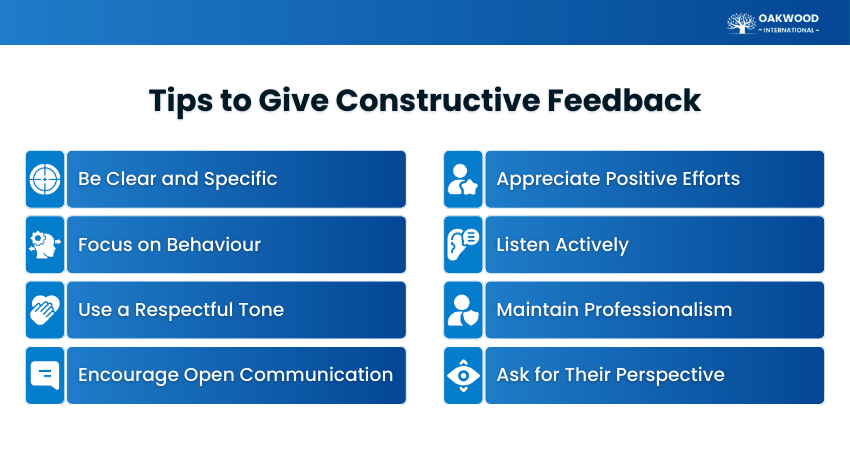
“I provide constructive feedback by addressing issues privately and using clear, specific examples, so the message is effective and actionable. I encourage a two-way conversation by listening to the team member’s perspective and discussing practical steps for improvement. I also recognise their strengths and follow up regularly to support progress and continuous development.”
17) How do you build trust and earn credibility with your team?
“I build trust and credibility by being honest, consistent, transparent and supportive in my leadership. I ensure my actions match my words and maintain open communication, so the team feels informed and respected. I also listen to feedback, treat everyone fairly, and involve team members in decision-making when possible. This helps cultivate a positive environment where people feel valued, motivated and confident in my leadership.”
18) How do you adapt your management style to different team members?
“I adapt my management style by understanding each team member’s strengths, experience level, and preferred way of working. Some employees perform best with clear guidance and regular check-ins, while others prefer more autonomy and flexibility. I observe how individuals respond to different approaches and adjust my communication, support and expectations accordingly. This helps ensure every team member feels comfortable, supported, and able to perform at their best.”
19) How do you ensure diversity is maintained in your team?
“Maintaining diversity requires continuous effort to create an inclusive and respectful work environment. I take the following steps:
a) I encourage open communication
b) I make sure that all voices are heard during discussions
c) I support policies that promote equality and fairness
d) I value different perspectives when making decisions
e) I encourage collaboration among team members
Regular diversity and inclusion initiatives help maintain awareness, respect and understanding within the team.”
20) What do you do to boost employee engagement and job satisfaction?
“To boost engagement, I focus on creating a supportive work environment where employees feel valued. This includes recognising achievements, maintaining a healthy work-life balance and providing opportunities for professional growth. I also ensure employees clearly understand how their work contributes to team and organisational goals, which helps them stay motivated and committed.”
21) How do you handle performance issues within your team?
“I handle performance issues by addressing them early and focusing on improvement rather than blame. I start by discussing the issue privately with the team member to know the root cause and set clear expectations for improvement. I then provide support through feedback, coaching, or training, and work with them to create a practical improvement plan. Regular follow-ups help monitor progress and encourage positive performance changes.”
22) What methods do you use to encourage continuous learning and development?
“I encourage continuous learning by supporting training programmes, workshops and professional certifications that help employees develop their skills. I also promote knowledge sharing within the team so members can learn and grow from each other’s experiences and expertise. Providing opportunities to work on new projects, take on additional responsibilities, or explore new roles also helps employees build confidence and expand their capabilities.”
23) How do you support a healthy work-life balance for team members?
“Supporting work-life balance involves managing workloads effectively and respecting employees’ personal time and well-being. I encourage flexible work arrangements when possible and ensure deadlines and expectations are realistic. I also promote well-being initiatives, encourage regular breaks, and maintain open communication so team members feel comfortable discussing workload concerns. This helps maintain long-term productivity, job satisfaction, and overall morale.”
24) What steps do you take to build a strong, high-performing team?
“To build a strong, high-performing team, I start by setting clear goals, defining roles and aligning everyone with shared expectations. I leverage individual strengths by assigning responsibilities based on skills and encourage real talks and collaboration. I also provide regular feedback, recognise achievements, and support continuous learning to keep the team motivated and performing consistently.”
Create effective appraisal discussions with Performance Appraisal Training – Sign up soon!
25) How do you handle a situation where a team member consistently exceeds expectations and outperforms others?
“When a team member consistently performs exceptionally well, I acknowledge their contributions and recognise their achievements, so they feel valued and motivated. I also provide opportunities for growth, such as leading projects, mentoring others or taking on more challenging responsibilities. At the same time, I ensure the team environment remains balanced by encouraging collaboration and knowledge sharing rather than unhealthy competition.”
Conclusion
People Management Interview Questions and answers highlight how professionals manage team dynamics, resolve conflicts, and encourage collaboration. By understanding these common questions and practising structured responses, you can present yourself as confident and capable leaders. Ultimately, it shows employers that you can build motivated teams and contribute positively to organisational success.
Upgrade the way you lead and manage teams with our wide range of People Management Courses – Start today!