

 Back
Back


 Back to Catagories


Table of Contents


 + 44 7452
122728
+ 44 7452
122728
 28-Aug-2026
Gary Moore
Work today is faster, more flexible, and far more people-focused than ever before. Behind every successful organisation is a strong HR team shaping culture, guiding growth, and supporting employees at every stage. Modern Human Resources Functions are no longer just about policies and paperwork; they influence how people collaborate, adapt, and perform in an evolving workplace.
This blog explores how Human Resources Functions strengthen modern workplaces by explaining what HR is and the roles it plays. It also shows how HR connects people and performance to support organisational success. Let's get started!
What is Human Resources?
Human Resources (HR) is the function within an organisation responsible for managing and supporting its workforce. It focuses on attracting the right talent and supporting employees throughout their employment journey. HR plays an important role in shaping workplace culture and ensuring employees feel valued, supported, and motivated.
Beyond hiring, HR manages training, payroll, benefits, performance, and employee relations. It also ensures organisations follow employment laws and policies. By aligning people practices with business goals, HR supports the entire employee lifecycle and helps build a productive, positive workplace.

What are the Functions of Human Resources?
The functions of HR focus on managing employees from planning and hiring to development, performance, and compliance. Together, they support organisational goals and employee well-being. Let's now explore the functions of Human Resources:
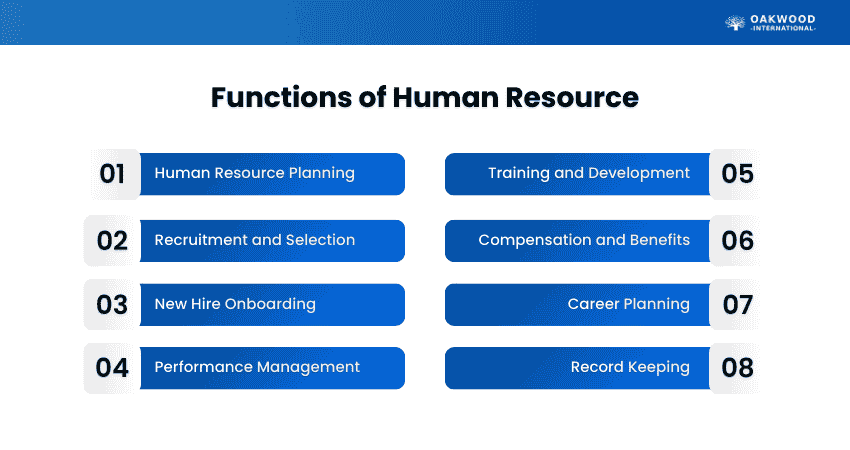
1) Human Resource Planning
Human Resource planning focuses on identifying future workforce needs and aligning them with organisational goals. It ensures the right number of people with the right skills are available at the right time.
This function helps organisations prepare for growth, manage skill gaps, and respond to market changes. Effective planning supports long-term stability while reducing hiring risks and operational disruptions.
2) Recruitment and Selection
Recruitment and selection involve attracting, screening, and hiring suitable candidates for open roles. This function ensures organisations bring in talent that matches both job requirements and company culture.
A structured recruitment process improves hiring quality, reduces turnover, and strengthens
Employer Branding
. It also ensures fairness and consistency throughout the candidate selection journey.
3) New Hire Onboarding
New hire onboarding helps new employees adjust quickly by introducing company culture, values, policies, and role expectations. It creates clarity from day one and helps new joiners feel confident, supported, and connected to the organisation.
A structured onboarding experience improves early engagement and reduces first-year attrition. It accelerates productivity, strengthens commitment, and builds trust between employees and the organisation during the critical early stages of employment.
4) Performance Management
Performance Management focuses on setting clear goals, monitoring progress, and providing continuous feedback. It helps employees understand expectations, stay aligned with priorities, and improve their contribution through regular reviews and meaningful conversations.
This function supports accountability and transparency while linking individual performance to organisational objectives. Effective performance management also encourages development discussions, motivates improvement, and supports long-term career progression within the organisation.
5) Training and Development
Training and development aim to enhance employee knowledge, skills, and capabilities through learning initiatives. These may include technical training, soft skills training, leadership development, and continuous learning opportunities.
By investing in development, organisations remain competitive and adaptable to change. Employees feel valued and encouraged, leading to improved performance, higher motivation, and a workforce prepared to meet evolving business demands.
Elevate your leadership skills for real-world impact through the Certified
HR Manager Training
– Join now!
6) Compensation and Benefits
Compensation and benefits ensure employees are fairly rewarded for their work through salaries, incentives, bonuses, and benefits. This function helps maintain equity, motivation, and satisfaction across different roles and levels.
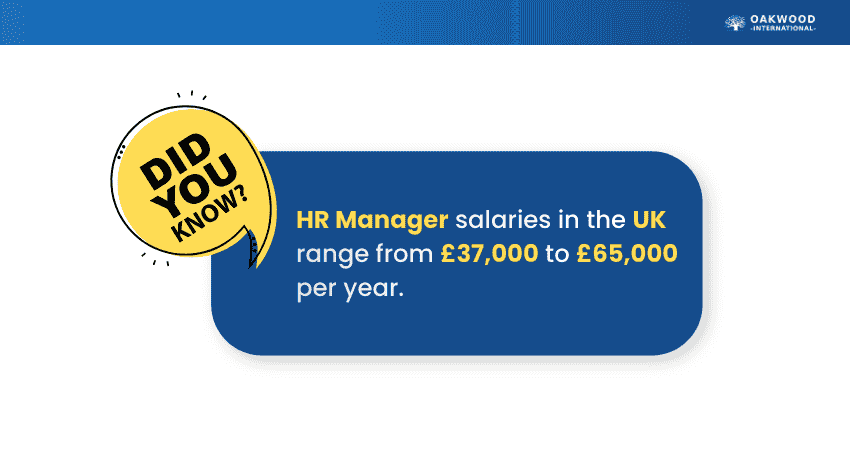
A well-designed compensation strategy improves retention and employer attractiveness. Competitive benefits packages also help organisations attract skilled professionals while reinforcing employee loyalty and overall workplace satisfaction.
7) Career Planning
Career planning supports employees in identifying long-term growth opportunities within the organisation. It focuses on promotions, internal mobility, skill development pathways, and succession planning for key roles.
By providing clear career direction, organisations improve engagement and retention. Employees are more motivated when they see future opportunities, while businesses benefit from developing internal talent for leadership and critical positions.
8) Record Keeping
Record keeping involves maintaining accurate and up-to-date employee information, including personal details, attendance records, contracts, and performance data. It supports smooth HR operations and informed decision-making.
Proper documentation ensures legal compliance, data accuracy, and consistency across HR processes. Reliable records also help organisations analyse workforce trends and respond efficiently to audits or regulatory requirements.
9) Employee Well-being
Employee well-being focuses on supporting mental, emotional, and physical health at work. It includes initiatives related to stress management, work-life balance, wellness programmes, and employee support systems.
A strong focus on well-being improves morale and reduces burnout. It creates a supportive environment where employees feel cared for, motivated, and better equipped to perform sustainably over time.
10) HR Effectiveness and Evaluation
Function Evaluation assesses the effectiveness of HR roles, processes, and practices within the organisation. It helps identify gaps, inefficiencies, and opportunities for improvement in people management.
Regular evaluation ensures HR activities align with organisational goals. It supports continuous improvement, strengthens decision-making, and enhances the overall impact of HR functions on business performance.
11) Risk Management
Risk Management focuses on identifying and reducing people-related risks such as skill shortages, compliance failures, workforce conflicts, or high turnover. It helps protect organisational stability and continuity.
By managing risks proactively, HR minimises disruptions and safeguards reputation. This function also ensures preparedness for unexpected workforce challenges and changing regulatory or market conditions.
Boost your HR career with AI skills that transform data into smarter people's decisions through the
Certified Artificial Intelligence (AI) For HR Managers Training
– Join now!
12) Employee Relations
Employee relations aims to maintain healthy and productive relationships between employees and management. This includes handling grievances, resolving conflicts, and promoting open communication.
Strong employee relations build trust and collaboration within the workplace. They help address issues early, prevent escalation, and contribute to a positive, respectful organisational culture.
13) Workplace Safety
Workplace safety ensures employees operate in secure and hazard-free environments. It includes safety policies, training programmes, risk assessments, and compliance with health and safety regulations.
A safe workplace reduces accidents, injuries, and absenteeism. It also demonstrates organisational responsibility and commitment to protecting employee well-being and legal obligations.
14) Audits and Legal Compliance
Audits and legal compliance ensure HR policies and practices follow labour laws and regulations. This includes employment contracts, wages, working conditions, and statutory requirements.
Regular audits reduce legal risks and penalties while improving transparency. They also reinforce ethical employment practices and strengthen organisational credibility with employees and regulators.
15) Administrative Responsibilities
Administrative responsibilities cover essential HR operations such as payroll coordination, reporting, documentation, and policy management. These tasks ensure day-to-day HR processes run efficiently.
Effective administration supports accuracy, consistency, and compliance. It allows HR teams to concentrate more on strategic initiatives while maintaining reliable operational support across the organisation.
Conclusion
Human Resources has evolved into a strategic partner that shapes culture, performance, and growth in the modern workplace. When Human Resources Functions are applied effectively, they help organisations build engaged teams, support employee well-being, and stay adaptable in a changing business environment, driving long-term success and sustainable growth.
Advance your HR career and real-world skills that drive results through the HR Leadership Courses – Register now!
Frequently Ask Questions
What are the Duties of HR?
HR duties focus on managing employees and supporting organisational goals. They include hiring, onboarding, training, and performance management. HR also handles compensation, employee relations, workplace safety, record keeping, and legal compliance to maintain a fair and productive workplace.
How Does HR Handle Conflict?
HR handles conflict by listening to all parties involved and ensuring concerns are addressed fairly. It uses clear policies, open communication, and mediation to resolve issues early. When needed, HR follows formal grievance procedures to maintain trust, compliance, and a respectful workplace environment.
What are the Latest Developments and Trends in HR Functions?
The latest HR trends focus on AI, automation, skills-based planning, and data-driven decisions, shifting HR into a strategic role. A stronger focus on well-being, personalised experiences, and hybrid work improves engagement and supports sustainable growth.
Related Blogs
Didn’t Find What You’re Looking For?

Our commitment to excellence ensures an exceptional learning experience tailored to your professional development needs.


© Copyright 2026 - Oakwood International ™ - All rights reserved.


SUPER SALE
 Get Amazing Discounts
And Deals
Get Amazing Discounts
And Deals