

 Back
Back


 Back to Catagories


Table of Contents


 + 44 7452
122728
+ 44 7452
122728
 07-Sep-2026
Maria Thompson
Looking for a job today feels very different from how it used to. People no longer choose a workplace based only on salary or job title. They want to know how a company treats its people, what the work culture is like, and whether they will feel valued every day, which is why Employer Branding matters. From online reviews to social media posts, these insights often shape decisions long before an application is submitted.
This blog explains what Employer Branding is and why it matters today. It also shows how organisations can build a strong employer image using real examples and the success cycle. Let’s explore what truly makes a workplace stand out.
What is Employer Branding?
Employer Branding is the reputation and image an organisation builds as a place to work. It reflects how current employees, job seekers, and the wider public perceive the company’s culture, values, leadership, and employee experience.
A strong employer brand helps attract high-quality candidates, improve employee retention, and build trust in the organisation. It is shaped by factors such as workplace culture, career growth opportunities, leadership behaviour,
Employee Benefits
, work-life balance, and how the organisation communicates both internally and externally.

Why is Employer Branding Important?
Employer Branding is important because it helps organisations compete for top talent in a crowded job market by building a strong reputation as a desirable place to work. A positive employer brand attracts more and better-qualified candidates, making recruitment easier and more effective. It also improves employee engagement, loyalty and satisfaction, which supports long-term retention and productivity.
In addition, strong Employer Branding can reduce hiring costs and speed up the recruitment process, as candidates are more likely to seek out companies with good reputations and aligned values. It also enhances the company’s wider reputation, turning employees into brand advocates and reinforcing the organisation’s credibility with customers, partners and other stakeholders.
How to Build a Strong Employer Brand?
Building a strong Employer Brand takes time and consistency. It requires understanding your organisation, listening to employees, and clearly communicating what makes your workplace unique. The steps below show how to build it effectively.
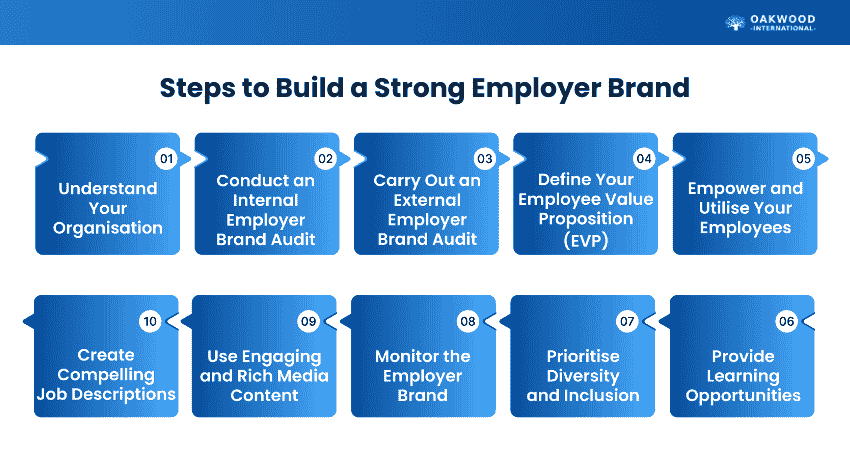
1) Understand Your Organisation
Start by understanding your organisation’s values, culture, and goals, including how teams work and how leaders support employees. This clarity makes it easier to communicate your workplace identity honestly to potential employees.
Example: If collaboration and flexibility are core values, they should be reflected in daily work through open communication, flexible schedules, and supportive leadership.
2) Conduct an Internal Employer Brand Audit
An internal Employer Brand audit focuses on Employee Experiences . Gather feedback through surveys, discussions, or reviews to understand what employees value and where improvements are needed. This helps ensure that your Employer Brand reflects real workplace conditions.
Example: Employee feedback may show high satisfaction with work-life balance but concerns about career progression, highlighting where improvements should be made.
Develop effective Talent Management skills to grow and retain high-performing employees. Join our
Talent Management Training
now!
3) Carry Out an External Employer Brand Audit
An external audit looks at how job seekers and the public view your organisation. This may include checking online reviews, social media comments, and feedback from candidates. It helps identify gaps between internal experiences and external perceptions.
Example: If candidates praise company culture but mention unclear hiring processes, improving communication during recruitment can strengthen your Employer Brand.
4) Define Your Employee Value Proposition (EVP)
Your Employee Value Proposition explains what employees gain by working for your organisation. This includes pay, benefits, growth opportunities, Work-Life Balance , and company culture. A clear and realistic EVP helps attract candidates who align with your values.
Example: An organisation that offers learning support and flexible working should clearly highlight these benefits in job listings and career pages.
5) Empower and Utilise Your Employees
Employees play a key role in shaping your Employer Brand. Encourage them to share ideas, give feedback, and talk about their experiences. When employees feel valued and heard, they naturally promote a positive image of the organisation.
Example: Employees sharing workplace stories on social media or during events helps build a genuine and trusted employer image.
6) Provide Learning Opportunities
Offering training and development shows that the organisation invests in its people. Learning opportunities help employees build skills, grow in their roles, and stay engaged, which supports retention and strengthens Employer Brand perception.
Example: Providing mentoring programmes or access to professional courses encourages long-term growth and improves employee loyalty.
7) Prioritise Diversity and Inclusion
An organisation that values diversity and inclusion creates a sense of belonging. Fair policies, equal opportunities, and respectful behaviour improve Employee Satisfaction and enhance the organisation’s reputation as an employer.
Example: Inclusive hiring practices and diverse leadership teams demonstrate a genuine commitment to equality.
8) Monitor the Employer Brand
Employer Branding should be reviewed regularly. Monitor employee feedback, hiring results, and online responses to understand what is working and what needs improvement. This helps keep the Employer Brand relevant and effective.
Example: Tracking online reviews and employee surveys helps organisations respond quickly to concerns and improve workplace experiences.
9) Use Engaging and Rich Media Content
Visual content, such as videos, images, and employee stories, helps people understand your workplace better. Sharing real experiences makes the Employer Brand more relatable and trustworthy for potential candidates.
Example: Short videos showing daily work life or team events help candidates picture themselves working in the organisation.
10) Create Compelling Job Descriptions
Job descriptions are often the first contact candidates have with your Employer Brand. Clear and honest descriptions set the right expectations and attract candidates who are more likely to fit the organisation and stay longer.
Example: Job postings that explain role expectations, growth opportunities, and company values reduce mismatched applications and improve retention.
Boost your talent acquisition skills and attract the best candidates with our
Talent Acquisition Training
– Register now!
Key Benefits of Employer Branding
Strong Employer Branding delivers clear and measurable benefits for organisations. The key advantages include the following:
1) Enhanced Hiring Process
Employer Branding improves hiring by attracting candidates who already align with the organisation’s values and culture. This leads to better-quality applications, fewer mismatches, and a more efficient recruitment process.
2) Quicker Trust Building
A strong Employer Brand builds trust early by presenting clear and consistent information about the organisation. When candidates understand what to expect, they feel more confident and engaged throughout the hiring journey.
3) Stronger Talent Retention
Employer Branding supports retention by ensuring the employee experience matches what was promised during recruitment. This creates a sense of belonging and loyalty, encouraging employees to stay and grow with the organisation.
What is Employer Branding Success Cycle?
The Employer Branding Success Cycle is an ongoing process that aligns the real workplace experience with the Employer Brand to attract, engage, and retain the right talent. It typically includes:
1) Discovering Talent Needs: Understanding what skills and people the organisation needs.
2) Defining the EVP: Clearly explaining what employees gain by working for the organisation.
3) Building Employer Brand Content: Creating messages that reflect real employee experiences.
4) Activating Campaigns: Sharing the Employer Brand through hiring and engagement efforts.
5) Measuring and Improving: Reviewing results to strengthen retention and support business growth.
Improve workforce planning expertise in resources and long-term business goals. Join our
Workforce Resource Planning Training
now!
Employer Branding Examples
Many well-known organisations invest heavily in Employer Branding to attract and retain talent. The examples below show how it works in practice.
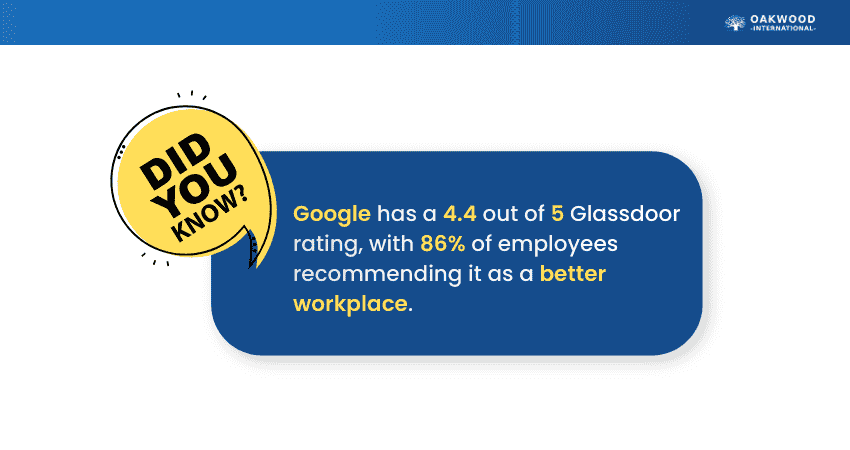
Google has built a strong Employer Brand by creating a supportive and enjoyable work environment. Its focus on employee well-being, flexibility, and unique workplace benefits makes people feel valued and excited to work there.
Starbucks
Starbucks strengthens its Employer Brand by treating employees as partners and encouraging open communication. Engaging with employees and job seekers through social platforms creates pride, trust, and a strong sense of belonging.
Apple
Apple’s Employer Brand is shaped by creativity, diversity, and innovation. It encourages employees to think differently while offering benefits that support both personal and professional life.
Microsoft
Microsoft promotes a culture of learning, growth, and inclusion. Its Employer Brand attracts people who want to develop their skills and contribute to meaningful and innovative work with long-term impact.
Amazon
Amazon’s Employer Brand focuses on high standards, customer focus, and impact. It appeals to individuals who enjoy fast-paced environments and want to be part of ambitious and challenging work.
Conclusion
Employer Branding shapes how people see your organisation as a place to work and influences who chooses to join or stay. When culture, values, and employee experience align, trust grows naturally. A strong Employer Brand helps organisations attract the right talent, build long-term loyalty, and create a workplace where employees feel motivated, valued, and proud to belong.
Build stronger employee engagement skills and create a motivated workplace with our Employee Engagement Training - Join now!
Frequently Ask Questions
What is the Goal of Employer Branding?
The main objective of Employer Branding is to attract the right talent, build trust with employees, and create a positive workplace reputation that supports long-term retention and growth.
What are the 4 P's of Employer Branding?
These are the 4 P’s of Employer Branding:
1) People: Employees, workplace culture, and treatment at work
2) Purpose: The organisation’s mission and values
3) Place: The work environment and flexibility
4) Product: Overall employee experience, rewards, and growth
What is the Difference Between Employer Branding vs Corporate Branding?
Employer Branding focuses on attracting, engaging, and retaining talent by shaping the employee experience and reputation as a workplace. Corporate Branding shapes the organisation’s overall identity for customers, partners, and the public, covering values, products, services, and reputation.
Related Blogs
Didn’t Find What You’re Looking For?

Our commitment to excellence ensures an exceptional learning experience tailored to your professional development needs.


© Copyright 2026 - Oakwood International ™ - All rights reserved.


SUPER SALE
 Get Amazing Discounts
And Deals
Get Amazing Discounts
And Deals