

 Back
Back


 Back to Catagories


Table of Contents


 + 44 7452
122728
+ 44 7452
122728
 24-Sep-2026
Maria Thompson
Corporate Leadership goes beyond mere titles and boardrooms; it’s the art of guiding people toward a shared vision while navigating change with confidence. In a business world that never slows down, strong corporate leaders play a crucial role in shaping culture, driving performance and inspiring trust across organisations.
This blog explores what is Corporate Leadership, why it matters for long-term success and the essential skills and roles that turn leaders into catalysts for growth and innovation. So, read on and learn how it drives ethical decision-making in modern enterprises worldwide!
What is Corporate Leadership?
Corporate Leadership is the ability of senior executives and decision-makers to guide an organisation toward its strategic goals by setting vision, influencing teams, and managing resources effectively. It involves making critical decisions, shaping organisational culture, and ensuring alignment between business objectives and employee efforts.
Strong Corporate Leadership promotes innovation, accountability, and adaptability, helping organisations respond to market changes, maintain stakeholder trust, and achieve sustainable growth. It plays a vital role in driving performance, motivating employees, and ensuring long-term business success.

Importance of Corporate Leadership
Corporate Leadership Development plays a big role in shaping an organisation’s success. It influences its long-term direction and defines its values and identity in a competitive business environment. Here are some of the key benefits that Corporate Leadership brings to organisations:
1) Guiding the Organisational Ship
Corporate Leadership acts as the driving force for navigating an organisation through constant change. It provides clear direction, aligns teams around shared objectives and ensures stability while responding to numerous risks and opportunities. Strong Leadership Development is the key to confident decision-making and long-term adaptability.
2) Translating Vision Into Reality
Corporate leaders take responsibility for shaping a clear future vision and turning it into practical outcomes. Their strength lies in setting ambitious goals and creating structured pathways that transform ideas into measurable progress for sustained organisational growth.
3) Inspiring Teams for Collective Success
Great leaders motivate teams by building a strong sense of purpose and collective responsibility. Their leadership journey highlights how decisive leadership can revitalise organisations, inspire innovation and drive industry leadership through trust.
4) Cultivating a Positive Work Environment
Leadership directly influences organisational culture. Strong corporate leaders cultivate environments where employees feel respected and motivated. This positive culture amplifies performance and supports consistent organisational success.
Master real-world leadership and management skills and advance your career. Sign up for the ILM Level 4 Diploma in Leadership and Management now!
What are the Top Corporate Leadership Skills?
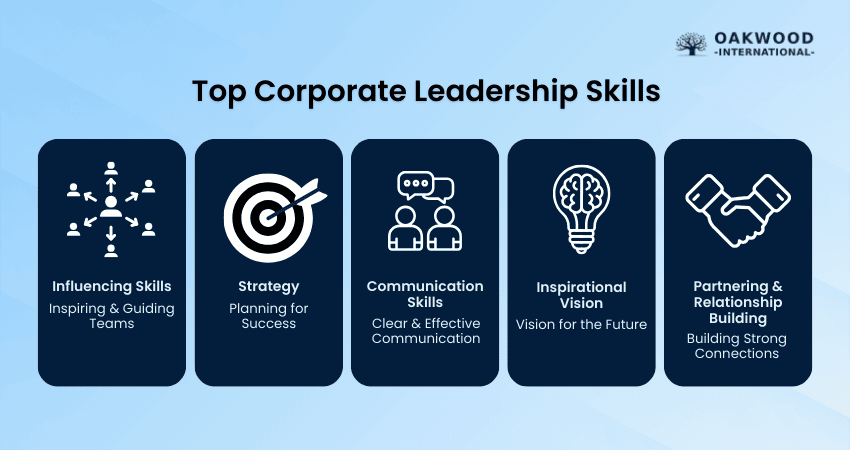
When you observe high-performing leaders, five core skills consistently stand out. These capabilities are not fixed traits. They can be developed through focused Corporate Leadership training and real-world experience.
1) Influencing Skills
Strong corporate leaders influence people through purpose rather than authority. Instead of relying on job titles, they unite teams around a shared mission. They accomplish this by clearly explaining what the organisation aims to achieve, how success is measured and why individual contributions matter. By staying visible, engaged, and approachable, leaders create trust and encourage collaboration.
2) Strategy
Good leaders think beyond short-term tactics and trends. They focus on the strategies that align with organisational standards and long-term goals. By exploring multiple scenarios, learning from others’ experiences and promoting entrepreneurial thinking, leaders remain adaptable. Involving employees in strategic thinking increases commitment, supports skill development and helps nurture future leaders.
3) Communication Skills
Honest communication is central to good leadership. Employees value leaders who can explain complex issues simply and communicate with integrity. A collaborative tone, even under pressure, can truly inspire trust and openness. Successful leaders balance confidence with humility, take responsibility when needed and recognise the contributions of others.
4) Inspirational Vision
Corporate leaders can guide organisations by presenting a compelling vision of the future. They stay aware of emerging opportunities and changing trends, adjusting their strategies when required. This forward-looking mindset is paired well with enthusiasm and innovation. Supporting development opportunities such as job shadowing and leadership pathways helps employees feel connected to the organisation’s growth.
5) Partnering and Relationship Building
No organisation can succeed in isolation. Great leaders can build strong relationships both inside and outside the business. Internally, collaboration across teams boosts performance and career development. Externally, partnerships with communities, suppliers and other organisations create opportunities for innovation and shared success. By promoting collaboration practices, leaders can help everyone work towards common organisational goals.
Corporate Leadership Structure and Responsibilities
In many organisations, Corporate Leadership is commonly divided between a management team and a Board of Directors. Shareholders appoint the board, which includes senior executives involved in daily operations as well as independent, external directors. Below is an overview of key Corporate Leadership roles and their responsibilities:
1) Chief Executive Officer (CEO): The CEO is the highest-ranking executive, accountable for overall organisational performance and smooth business operations. This role reports directly to the Board of Directors and is responsible for executing board-approved strategies and decisions.
2) Executive Vice President (EVP): Typically, second in command, the EVP oversees areas such as organisational performance, financial stability, budgeting, and strategic planning. This role may act on behalf of the CEO when required and supports the development of Senior Managers and Supervisors.
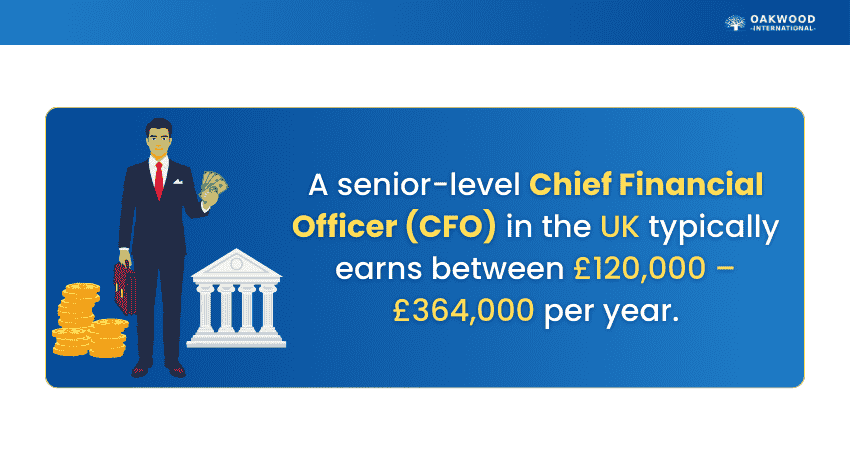
3) Chief Financial Officer (CFO): The CFO manages the organisation’s financial position by analysing financial data, preparing budgets, and controlling expenditure. Reporting to the CEO, this role also communicates financial insights to the board, shareholders, and regulatory bodies.
4) Chief Operating Officer (COO): Often more operationally focused than the CEO, the COO oversees day-to-day business functions, including workforce management, marketing, production and sales. This role ensures operational efficiency and reports directly to the CEO.
5) General Manager (GM): A General Manager leads the daily operations of one or more business units. Responsibilities include setting operational policies, managing budgets, supervising staff and ensuring teams contribute effectively to the broader organisational objectives.
Turn everyday management into impactful leadership by registering for the
ILM Level 4 Certificate in Leadership and Management Course
now!
Challenges in Corporate Leadership
Corporate Leadership involves navigating a wide range of pressures that demand adaptability and strong judgment. Modern leaders must balance strategic goals with evolving internal and external challenges.
1) Globalisation
As organisations expand internationally, leaders must manage cross-border operations, cultural differences and a range of regulatory frameworks. Despite progress in workplace diversity, leadership representation remains uneven, with gender-based expectations and stereotypes continuing to influence how leaders are perceived.
2) Technological Disruption
Lightning-fast advances in technology continue to force organisations to reassess their operating models. Corporate leaders must embrace digital transformation and guide their organisations through change without disrupting productivity or long-term stability.
3) Talent Management
Attracting, developing and retaining skilled professionals remains a persistent challenge. Good Talent Management involves investing in people, building engagement and continuously creating growth opportunities. Organisations that struggle to retain talent often experience reduced customer satisfaction and limited sustainable growth potential.
4) Crisis Management
From financial instability to reputational challenges, leaders must be prepared to respond decisively during periods of uncertainty. Leading from the front, maintaining composure and communicating clearly are essential. Early intervention and unified team effort help prevent minor issues from escalating into major disruptions.
5) Sustainability
The ever-growing focus on ethical responsibility and environmental impact makes it necessary for leaders to embed sustainability into their organisational strategy. Such leadership, driven by values, prioritises long-term outcomes over short-term gains. This ensures that their decisions support future generations while strengthening organisational resilience and continued growth.
How to Become a Corporate Leader?
Becoming a corporate leader requires a combination of education, experience, strategic thinking, and continuous personal development. The following steps can help you build the skills and credibility needed to move into leadership roles:
Complete a Formal Education
A strong educational foundation in business, management, finance, or a related field helps develop analytical thinking, decision-making abilities, and industry knowledge that support leadership responsibilities.
Gain Relevant Experience
Practical experience allows you to understand organisational operations, team dynamics, and business challenges. Taking on projects, leadership tasks, or cross-functional roles helps build credibility and confidence.
Build Professional Connections
Networking with industry professionals, mentors, and peers exposes you to new opportunities, insights, and leadership perspectives that support long-term career growth.
Pursue Continuing Education
Leadership skills evolve with changing business environments. Ongoing learning through workshops, certifications, and executive development programmes helps leaders stay competitive and informed.
Seek Mentorship
Learning from experienced leaders provides guidance, constructive feedback, and real-world insights that accelerate professional growth and strengthen leadership capabilities.
Conclusion
Corporate Leadership shapes how an organisation thinks, acts and grows. It blends future-ready vision with execution, people with purpose and strategy with accountability. Strong leaders influence culture, build skills, define roles and guide teams through change of any degree of complexity. When leadership is human-centred, businesses do more than succeed. They inspire trust and create lasting impact across evolving global environments.
Step into ILM Level 4 Training, where ambition fuels leadership excellence. Register today and lead smarter!
Frequently Ask Questions
What do Corporate Leaders do?
Corporate leaders set organisational direction and guide teams towards shared goals. They shape company culture, manage change, allocate resources and ensure long-term growth while balancing performance, ethics and stakeholder expectations.
How Can Individuals Develop Their Skills as Corporate Leaders?
Individuals can cultivate Corporate Leadership skills through continuous learning, practical experience and self-reflection. Building communication and People Management abilities, seeking feedback, and learning from mentors can help strengthen leadership capability and confidence over time.
What are the Best Techniques for Becoming a Corporate Leader?
Becoming a corporate leader involves developing a clear vision, improving decision-making skills and mastering effective communication. Gaining cross-functional experience, embracing accountability, building strong relationships and adapting to change also play a vital role in long-term leadership success.
Related Blogs
Didn’t Find What You’re Looking For?

Our commitment to excellence ensures an exceptional learning experience tailored to your professional development needs.


Contact Us


© Copyright 2026 - Oakwood International ™ - All rights reserved.


SUPER SALE
 Get Amazing Discounts
And Deals
Get Amazing Discounts
And Deals