

 Back
Back


 Back to Catagories


Table of Contents


 + 44 7452
122728
+ 44 7452
122728
 07-Sep-2026
Maria Thompson
When motivation is strong, productivity rises, and employees feel happier and more fulfilled in their jobs. In this blog, you will discover what Employee Motivation really means, its key types, why it matters, and practical ways to improve it in any workplace. Let's get started!
Table of Contents
1) What is Employee Motivation?
2) Why Employee Motivation is Important?
3) Types of Employee Motivation
4) How to Improve Employee Motivation?
5) Benefits of Having a Motivated Workforce
6) Conclusion
What is Employee Motivation?
Employee Motivation refers to the inner drive that encourages employees to put effort into their work and perform at their best. This idea comes from organisational psychology and focuses on understanding what encourages them to work well, improve their skills, and stay interested in their jobs.
Employee Motivation shapes attitudes, behaviours, and how committed someone feels in their role. It has never been a one-size-fits-all concept. Different people are motivated by different factors, and these drivers can change over time based on personal situations, career stages, and workplace conditions.

Why Employee Motivation is Important?
Motivation in the workplace can come from many sources. True motivation often develops when both internal and external drivers work together in a balanced way. Here is why Employee Motivation is important:
1) Encourages employees to work with greater energy and focus
2) Improves the quality of work and helps reduce mistakes
3) Strengthens problem-solving skills and supports better decision-making
4) Increases employee loyalty and reduces the chances of staff leaving
5) Lowers recruitment and training costs by improving retention
6) Creates a more positive attitude among employees at work
7) Encourages teamwork and better cooperation across teams
8) Improves overall workplace morale and job satisfaction
Types of Employee Motivation
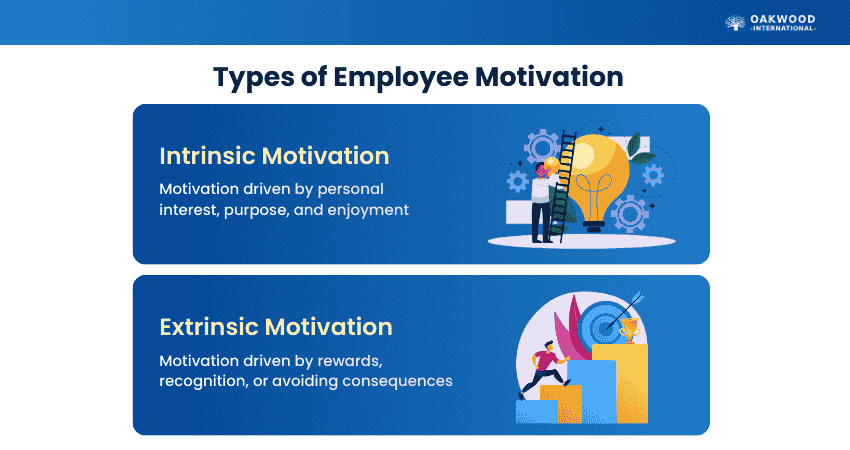
Understanding the types of motivation helps apply the right motivation strategies for different employees and situations. While people are motivated in unique ways, most motivation falls into two main categories. Here are those two types of Employee Motivation:
Intrinsic Motivation
Intrinsic motivation comes from inside a person. Employees feel motivated because they enjoy their work, feel proud of what they do, or find their job interesting. They do not work only for rewards but because the work feels meaningful to them.
This type of motivation usually lasts longer because it is linked to personal interest and Employee Satisfaction . Employees who are intrinsically motivated enjoy learning new things, solving problems, helping others, and improving themselves.
Examples of Intrinsic Motivation:
1) Solving a difficult problem because it feels interesting
2) Feeling good after helping a customer
3) Learning a new skill for personal and professional growth
Extrinsic Motivation
Extrinsic motivation comes from outside rewards. These include salary, bonuses, promotions, praise, performance reviews, and even fear of penalties. Employees work harder to earn rewards or avoid negative outcomes.
This type of motivation is useful for meeting goals and improving short-term performance. However, it usually does not last as long as intrinsic motivation if used alone. The best results come when both internal and external motivation work together.
Examples of Extrinsic Motivation:
1) Working harder to earn a bonus or pay rise
2) Finishing work on time to avoid penalties
3) Following company rules to get a good performance review
How to Improve Employee Motivation?
Improving Employee Motivation is not about one single initiative. It requires a combination of culture, leadership, communication, support, and recognition. The following are some of the most effective ways to create lasting Employee Motivation within your workforce:
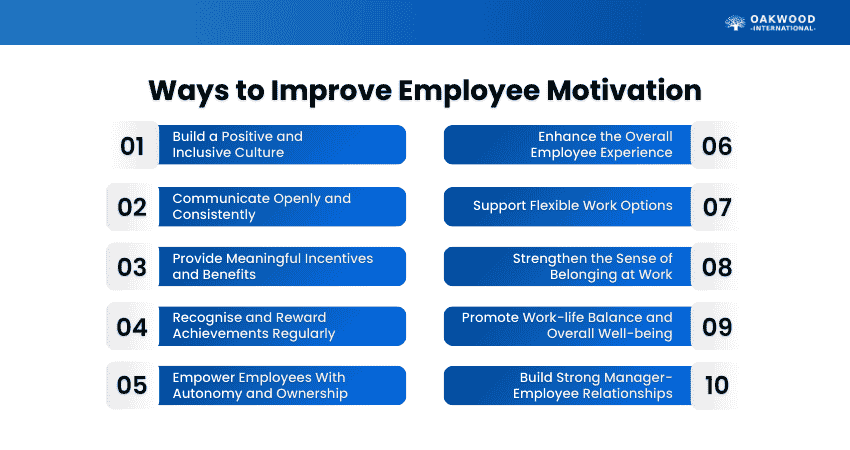
1) Build a Positive and Inclusive Culture
A positive workplace culture creates the foundation for motivation. Employees need to feel safe, respected, and supported to perform at their best. When inclusion is prioritised and diversity is valued, people feel comfortable being themselves at work.
1) Encourages respect, trust, and fairness
2) Helps employees feel safe to share ideas
3) Reduces fear of mistakes and blame
4) Supports diversity of thoughts and backgrounds
5) Improves teamwork and cooperation
2) Communicate Openly and Consistently
Clear and honest communication builds trust between employees and leadership. When people understand expectations, goals, and changes within the organisation, they feel more secure and engaged. Uncertainty and silence often lead to disengagement and frustration.
1) Encourages open discussions and regular check-ins
2) Reduces confusion and misunderstandings
3) Keeps employees informed about changes
4) Encourages two-way communication
5) Improves clarity around goals and expectations
3) Provide Meaningful Incentives and Benefits
Financial rewards still matter. Fair pay, bonuses, and well-designed benefit packages remain powerful drivers of extrinsic motivation. However, incentives must feel meaningful rather than transactional. When rewards are aligned with effort and impact, motivation increases significantly.
1) Motivates employees to perform better
2) Shows appreciation for effort and results
3) Helps offer performance bonuses, healthcare support, etc.
4) Supports personal and financial security
5) Helps retain skilled employees
Lead impactful appraisals that support Employee Motivation with
Performance Appraisal Training
– Join soon!
4) Recognise and Reward Achievements Regularly
Recognition is one of the most underestimated tools for motivation. Employees want their hard work to be noticed and appreciated. Simple recognition like public praise, thank you messages, or personal feedback can have a profound impact on morale and confidence.
1) Boosts employee confidence and connects them to their work
2) Reinforces positive behaviour
3) Improves morale across teams
4) Encourages consistent performance
5) Makes employees feel valued in their organisation
5) Empower Employees With Autonomy and Ownership
Employees feel more motivated when they are trusted to make decisions and take ownership of their work. Allowing employees to shape how they work, solve problems, and contribute ideas gives them a sense of control and purpose. When people feel ownership over their role, they put more effort into their tasks.
1) Builds confidence and trust
2) Improves decision-making skills
3) Increases sense of responsibility
4) Encourages creativity and innovation
5) Reduces the dependency on constant supervision
6) Enhance the Overall Employee Experience
Employee Motivation is influenced by every interaction an employee has with their workplace. From onboarding to daily systems, office environment, and career progression, all elements shape the employee experience. A smooth, supportive, and well-structured experience helps employees feel valued and focused.
1) Improves daily work satisfaction
2) Reduces frustration and stress
3) Strengthens long-term employee engagement
4) Builds positive impressions of the workplace
5) Supports employee loyalty
7) Support Flexible Work Options
Flexible work has become a major motivation nowadays. Employees value the ability to balance responsibilities, personal needs, and professional goals more effectively. Hybrid working, flexible hours, remote options, and personalised schedules help reduce burnout and increase job satisfaction .
1) Improves work-life balance
2) Reduces burnout and fatigue
3) Increases employee happiness
4) Supports personal responsibilities
5) Improves productivity and retention
8) Strengthen the Sense of Belonging at Work
Belonging is a powerful emotional motivator. Employees who feel connected to their team and organisation show stronger commitment and engagement. Team building activities, inclusive leadership, shared goals, and social interaction all help create this connection.
1) Builds emotional connection to the organisation
2) Encourages teamwork and cooperation
3) Improves employee loyalty
4) Reduces isolation and increases shared value
5) Strengthens workplace relationships
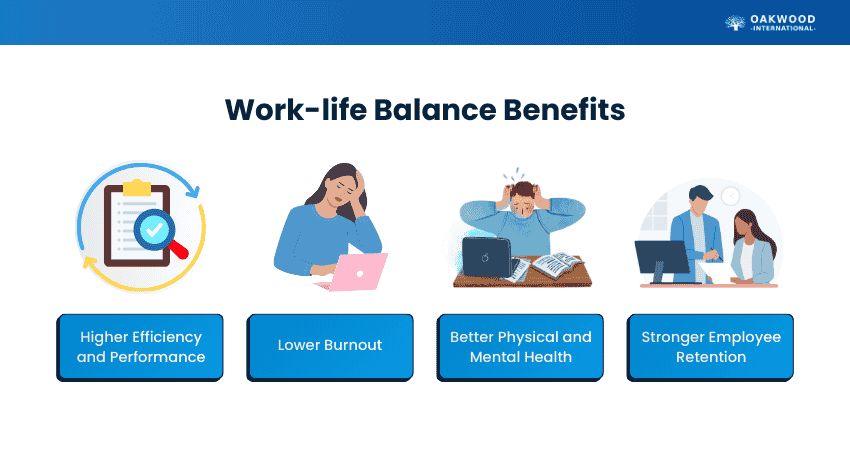
9) Promote Work-life Balance and Overall Well-being
Constant pressure, long hours, and emotional exhaustion quickly destroy Employee Motivation. Organisations that prioritise employee well-being show employees that their health matters. Encouraging breaks, realistic workloads, mental health support, and time off allows employees to recharge.
1) Protects mental and physical health
2) Improves creativity and focus at work
3) Reduces absenteeism because of work stress
4) Supports long-term performance and resilience
5) Improves overall quality of life
10) Build Strong Manager-Employee Relationships
The relationship between managers and employees significantly affects motivation. Supportive managers who listen, guide, and encourage growth help employees feel valued. Strong Employee Relationships are built on trust, fairness, and mutual respect. When employees believe their manager cares about their success, motivation rises naturally.
1) Improves trust and transparency
2) Encourages open communication
3) Supports employee growth
4) Reduces workplace conflicts
5) Improves team stability
Drive team success and resolve conflicts with
Successful People Management and Team Leadership Training
– Register today!
11) Act on Employee Feedback and Address Concerns
Employees become demotivated when they feel their opinions do not matter. Gathering feedback is only effective if the action follows. When employees see real change as a result of their input, trust and engagement grow stronger. Regular surveys, listening sessions, and open forums provide insight into employee needs.
1) Makes employees feel heard
2) Builds confidence in leadership
3) Improves workplace policies
4) Reduces dissatisfaction and complaints
5) Strengthens employee engagement
Benefits of Having a Motivated Workforce
Now, let’s check the benefits that a well-motivated workforce and Employee Motivation can gain:
1) Improved Productivity: Employees work with greater focus, take initiative, and complete tasks more efficiently.
2) Higher Quality of Work: Employees take pride in their performance, leading to better outcomes and fewer errors.
3) Stronger Employee Retention: Motivated employees are more likely to stay, reducing hiring and training costs.
4) Greater Creativity and Problem-solving: Employees generate new ideas and adapt better to change and challenges.
5) Enhanced Customer Satisfaction: Motivated employees deliver better service with care, energy, and enthusiasm.
6) Leadership Development: Inspired employees are more willing to take responsibility and grow into future leaders.
7) Positive Workplace Culture: Teams become more collaborative, supportive, and engaged.
8) Sustainable Organisational Growth:
Consistent performance and engagement support long-term business success.
Conclusion
Employee Motivation is the foundation of a successful and thriving workplace. It is about creating an environment where employees feel valued, supported, and inspired to give their best every day. When organisations understand what truly drives motivation and apply the right strategies, they can unlock higher performance, stronger loyalty, and a healthier workplace culture.
Transform your workplace culture with our practical and results-focused Employee Engagement Training – Explore now!
Frequently Ask Questions
What is the Best Motivation for Employees?
The best motivation comes from a mix of fair pay, recognition, purpose, respect, and growth opportunities. While money is important, feeling valued, supported, and connected to work often creates stronger and long-lasting motivation. Different people are motivated by different things, so flexible approaches work best.
What is the Difference Between Employee Motivation and Employee Engagement?
Employee Motivation is about what drives people to work hard and perform well. Employee engagement is about how emotionally connected employees feel to their job and organisation. Motivation affects effort, while engagement affects commitment and loyalty. The strongest workplaces focus on both at the same time.
What are the Five Principles of Motivation?
The five principles of Employee Motivation are:
a) Purpose
b) Autonomy
c) Mastery
d) Recognition
e) Fairness
Related Blogs
Didn’t Find What You’re Looking For?

Our commitment to excellence ensures an exceptional learning experience tailored to your professional development needs.


© Copyright 2026 - Oakwood International ™ - All rights reserved.


SUPER SALE
 Get Amazing Discounts
And Deals
Get Amazing Discounts
And Deals