

 Back
Back


 Back to Catagories


Table of Contents


 + 44 7452
122728
+ 44 7452
122728
 21-Jul-2026
Maria Thompson
Want to help employees grow while boosting your organisation's success? An Employee Development Plan is a simple yet powerful tool that guides employees in achieving their career goals. It outlines the skills to improve, the steps to take, and the opportunities for growth within the organisation.
By investing in Employee Development, companies build stronger teams, improve productivity, and keep employees motivated. Employees feel appreciated and empowered to contribute more effectively. Ready to create a plan that benefits both your team and your business? Read this blog to learn what is an Employee Development Plan and how it can drive success for everyone involved!
What is an Employee Development Plan?
An Employee Development Plan is a list of steps for employees to reach their long-term career goals. It includes short- and long-term goals like learning new skills, earning certifications, or getting promoted.
As employees grow in their careers, they can update their plans with help from their supervisors. Ideally, the plan evolves over time as employees gain experience and refine their goals, with guidance provided by management. Creating a personalised Employee Development Plan involves considering the employee's goals and readiness for development. Breaking down professional goals and tracking progress helps management understand development and identify any barriers.
For example, a new graduate aiming to become a Sales Manager might include the following steps in their development plan:
1) Secure an internship in a sales department
2) Improve verbal and written communication skills
3) Obtain various relevant certifications
4) Start as a junior salesperson
5) Increase sales numbers annually
6) Apply for sales manager positions
This structured approach helps employees and organisations achieve their goals effectively.

Why is an Employee Development Plan Important?
An Employee Development Plan is important because it helps both employees and organisations grow in a focused and strategic way. When people know what skills to develop and have structured support, they feel more motivated, confident, and aligned with company goals. For employers, it reduces skill gaps, strengthens succession planning, and improves overall performance.
For example, if a Customer Service Executive wants to become a Team Leader, their development plan might include Leadership Training, shadowing a manager, and practising conflict resolution, helping them grow into the role confidently.
How to Create an Employee Development Plan?
As part of the Human Resources (HR) team, you won't create the plan yourself. That's up to the employee and their supervisor. However, you might need to guide them through the process. Here are the general steps to initiate and implement an Employee Development Plan:

Step 1: Conduct a Self-assessment
Have the employee complete a self-assessment to evaluate their current position and performance. This serves as a basis for an open conversation between the employee and the Human Resource Manager and highlights areas for learning and improvement.
Step 2: Discuss Career Goals and Desires
Discuss the employee's career goals and aspirations. The self-assessment should inform a discussion about what the employee wants to achieve. Development means different things to different people, so it's important for the employee and manager to align on the type of growth they are aiming for.
Step 3: Align Career Goals with Organisational Needs
Connect the employee's personal objectives with the needs of the business. Not all development opportunities may be feasible, so it's crucial for the manager to determine what is possible and beneficial for the business without over-promising.
Step 4: Identify Development Opportunities and Resources
Explore how the employee can achieve their goals and how the manager can support them. For example, if the employee wants more public speaking opportunities:
1) Attend employer-provided public speaking courses
2) Work with a mentor experienced in public speaking
3) Apply to speak at industry conferences and seminars
Step 5: Document and Implement the Plan
Document the development plan, including objectives and steps, and submit it to HR. Keep the plan simple to ensure all parties can easily understand and follow it. This structured approach helps employees develop their careers while aligning with organisational goals.
Learn how to shape organisational success through
HR Strategy Training
– Register today!
Benefits of Employee Development
Rather than relying solely on external hiring for key positions, developing existing employees offers significant benefits for both individuals and organisations. Below are the core benefits of an Employee Development Plan:
1) Addressing Workforce Skill Gaps
a) Keeps employees updated with new tools and technologies
b) Replaces old skills with new, modern skills
c) Builds strong knowledge that matches the company's needs
d) Reduces mistakes caused by a lack of knowledge
e) Increases overall productivity in the organisation
2) Strengthening Organisational Competitiveness
a) Skilled employees help create better products and ideas
b) The company can respond faster to market changes
c) Customers get better service from well-trained employees
d) Improves work quality and efficiency
e) Helps the company stay ahead of competitors
3) Reducing Employee Turnover
a) Employees stay longer when they can grow in their jobs
b) Learning opportunities build trust and loyalty
c) Saves money on hiring and training new staff
d) Reduces disruptions caused by people leaving
e) Helps build a stable team with strong experience
4) Addressing Skills Shortages
a) Helps fill important roles by training people already in the company
b) Reduces the need to hire new people all the time
c) Prepares the employees for future roles through upskilling
d) Makes the team more flexible when things change
e) Helps the company stay strong even when talent is hard to find
5) Building a Strong Learning Culture
a) Encourages employees to keep improving
b) Helps the company stay flexible and ready for change
c) Makes it easier for employees to learn new systems or tasks
d) Promotes creative thinking and problem-solving skills
e) Motivates employees to take charge of their development
6) Enhancing Workplace Diversity and Inclusion
a) Gives everyone equal chances to learn and grow
b) Helps underrepresented groups move into higher roles
c) Reduces bias in promotions and helps build diverse Team Leadership
d) Teaches employees how to be more inclusive
e) Builds trust and fairness in the workplace
7) Boosting Employee Engagement and Morale
a) Employees feel valued when the company invests in them
b) Training boosts confidence and motivation
c) Learning new things prevents boredom and burnout
d) Good morale leads to better teamwork
e) Motivated employees take more responsibility, reduce absenteeism and work errors
Challenges of Employee Development Planning
Despite its many benefits, Employee Development Planning comes with challenges. Here are some of those:
1) Limited Time and Resources: Many organisations struggle to set aside enough time, money, or tools to run effective training.
2) Heavy Employee Workloads: Employees often have too much daily work, making it difficult for them to participate fully in development and training activities.
3) Managers Lacking Development Skills: Some managers are not trained to guide development discussions or create strong, personalised development plans for their team members.
4) Difficulty Aligning Goals: Matching an employee's career goals with the organisation's needs can be challenging, especially in fast-changing industries.
5) Inconsistent Follow-up: If development plans are not reviewed regularly, progress slows down and goals are often forgotten or ignored.
6) Rapid Changes in Skills Requirements: New technologies and market trends can quickly make existing training outdated, requiring frequent updates to development programmes.
Create smarter workforce strategies with the
HR Analytics Course
– Sign up soon!
HR's Role in Supporting Employee Development Plans
Your role is more than just filing the plan; you're here to make the entire process straightforward, painless, and positive. Here are three core ways to make that happen:
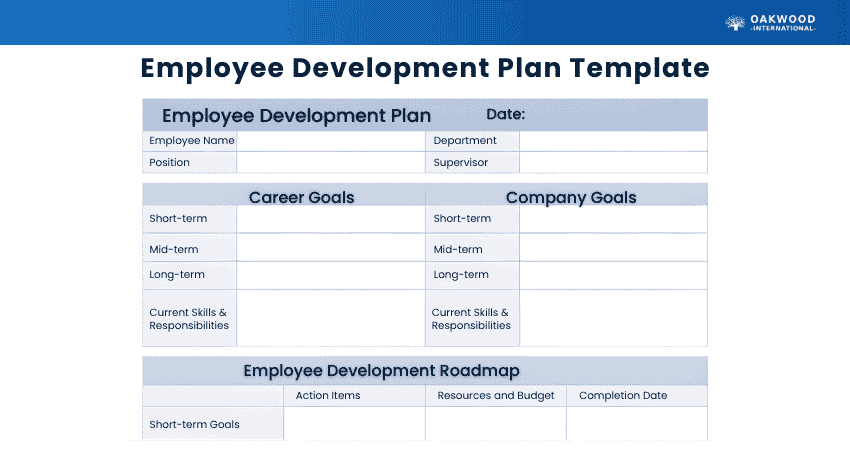
1) Equip Everyone Involved for Effective Growth Discussions
Growth discussions can be nerve-wracking. Managers worry about providing support, while employees fear being too pushy. Equip both with resources and training:
1) For Managers: Offer training on productive one-on-one meetings and suggested questions for growth discussions.
2) For Employees: Provide training on completing self-assessments and resources to define career goals.
3) For Both:
Share information about available training and development opportunities and templates for various growth activities (self-assessment, one-on-one meetings, development plans).
2) Optimise and Standardise the Process of Creating Development Plans
Templates save time, improve consistency, and simplify the process for managers and employees. Create templates for:
1) Self-assessment
2) One-on-one meeting agenda
3) Career goals worksheet
4) Employee Development Plan
Ensure these are shared, interactive documents for easy collaboration.
3) Actively Encourage Engagement in Further Development Opportunities
Actively promote all available development opportunities, from formal training programmes to casual lunch and learns. Use various tools and platforms:
1) Send team emails and calendar invites for events and trainings.
2) Post opportunities on the employee intranet.
3) Remind managers to discuss these in team meetings.
4) Use signs, flyers, and other materials around the office.
Promoting these opportunities will encourage more employees to participate in their development.
Examples of Employee Development Plans
Here are two career development plan examples to help draft a plan with your employees:
Example - 1
1) Short-term Goals: Develop leadership abilities , gain experience, and build relationships
2) Long-term Goal: Become a Finance Manager
Actions:
1) Take an online leadership course
a) Objective: Learn how to lead employees
b) Measurement: Complete the course by December 1
2) Present quarterly numbers
a) Objective: Refine research, coordination, presentation writing, and public speaking skills
b) Measurement:
Perform all necessary research, compile and present at the quarterly finance meeting
Example – 2
Short-term Goal: Increase knowledge of real estate, gain experience in the current real estate assistant position, and build relationships
Long-term Goal: Become a licensed Real Estate Agent
Actions:
1) Get a real estate license
a) Objective: Get licensed before 2027
b) Measurement: Achieve a passing score
2) Grow a network
a) Objective: Build relationships within the real estate industry
b) Measurement: Attend two networking events this year, reach 500 professional connections on social media by the end of the year
These examples for the Employee Development Plan provide a clear structure for setting and achieving career goals.
Tips for Creating a SMART Staff Development Plan
Creating an Employee Development Plan is an important step in taking control of an organisation's personal and professional growth. It helps them stay focused, track progress, and work towards meaningful goals that benefit both employees and the organisation.
Using the SMART method makes your development plan clearer, more practical, and easier to follow. Here is how you can do it:
1) Specific : Set goals that are clear and detailed. Specific goals help understand exactly what the employees and the organisation want to achieve and the support that is needed along the way.
2) Measurable: Make sure the goals include measurable indicators such as completing a course, improving a particular skill, or reaching a performance target. This makes it easier to track progress and know when the goal has been met.
3) Attainable: Choose goals that are realistic and achievable within a certain period. While it is good to aim high, setting goals that are impossible can lead to frustration and slow progress.
4) Relevant: The goals should align with employees roles, their long-term career aspirations, and the organisation's objectives. Relevant goals keep them motivated and ensure that development has a positive impact on each team and workplace.
5) Time Bound: Attach a clear time frame or deadline for each goal. A set timeline helps employees to stay committed, work efficiently, and make consistent progress towards achieving their objectives.
Also, check in regularly with the respective manager to discuss progress, challenges, and any changes needed. Make sure that everyone has access to the right training, resources, or mentoring to help them succeed.
Conclusion
An effective Employee Development Plan aligns personal growth with organisational goals, fostering loyalty and strengthening Employee Motivation . By investing in continuous development, companies enhance performance, retain talent, and build a skilled workforce that supports long-term success. Regular monitoring and adaptation ensure the plan evolves with both individual and organisational needs.
Advance your expertise and make a bigger impact in your organisation with our HR Leadership Courses – Start now!
Frequently Ask Questions
No FAQs available
Related Blogs
Didn’t Find What You’re Looking For?

Our commitment to excellence ensures an exceptional learning experience tailored to your professional development needs.


© Copyright 2026 - Oakwood International ™ - All rights reserved.


SUPER SALE
 Get Amazing Discounts
And Deals
Get Amazing Discounts
And Deals