

 Back
Back


 Back to Catagories


Table of Contents


 + 44 7452
122728
+ 44 7452
122728
 27-Jul-2026
Hailey Davis
Every employee wants more than just a paycheck. People look for workplaces that value them, support their needs, and help them live better lives both inside and outside the office. That is where Employee Benefits make a real difference. From health care to flexibility and growth opportunities, the right benefits can boost happiness, comfort, and motivation at work.
This blog covers what Employee Benefits are, the types of benefits companies offer, and why they matter. You will also discover examples and best practices that help create a supportive workplace. Let's begin!
What are Employee Benefits?
Employee Benefits are additional rewards that employees receive alongside their salary. These include things like health insurance, retirement savings, paid time off, and other support that helps people feel secure and happy at work.
Some benefits are required by law, while others are optional perks such as gym memberships, wellness programmes, or flexible working hours. These benefits make a job more attractive and help organisations retain skilled and committed employees for the long term.
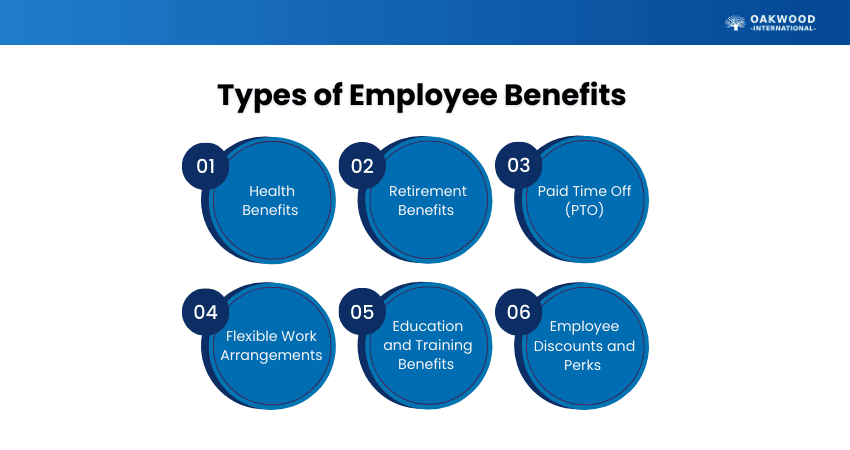
Types of Employee Benefits
Every company offers different benefits based on its size, culture, and goals. Below are the most common and useful types of Employee Benefits:
1) Health Benefits
Health benefits are often one of the most important parts of an Employee Benefits package. They help protect employees and their families from high medical costs and support overall well-being.
Health Insurance: Employers often offer group health insurance that covers most medical costs, including dental and vision care, making healthcare more affordable for employees and their families.
Medical Coverage: This helps pay for doctor visits, hospital care, surgeries, prescriptions, and other essential medical needs.
Dental Coverage: This supports routine check-ups, cleanings, fillings, and major dental treatments when needed.
Vision Coverage:
This includes eye exams and may help pay for glasses or contact lenses.
2) Retirement Benefits
Retirement benefits are an important part of Employee Benefits, helping employees save money for life after they finish working. They provide future financial security and make a job more attractive for skilled talent.
Pension Plans: The employer pays a set amount to the employee after retirement. This amount is usually based on salary and years of service.
401(k) or Similar Savings Plans: Employees can save a part of their income for retirement, and many employers also add matching contributions to help the savings grow faster.
Profit Sharing and Other Savings Options:
Some companies add a share of profits or support contributions to Individual Retirement Accounts (IRAs) to increase retirement savings even more.
3) Paid Time Off (PTO)
Paid Time Off allows employees to rest, recover, and manage personal needs without losing income. It supports a healthy work-life balance and improves overall well-being.
Vacation Days: Employees can take time away from work to relax and recharge. The number of vacation days may increase with years of service or company rules.
Sick Leave: When employees are unwell or need to care for a family member, sick leave allows them to stay home and recover without worrying about their income.
Parental/Maternal Leave:
New parents can take paid time off after the birth or adoption of a child. The length of parental leave depends on company policies and local laws.
4) Flexible Work Arrangements
Workplaces are changing, and flexible work options have become a highly valued benefit. These arrangements help employees handle their personal and professional lives more comfortably.
Remote Work Options: Many companies now allow remote work, which saves commuting time, reduces stress, and improves productivity. It also enables hiring talent from different locations.
Flexible Working Hours:
Flexible schedules allow employees to adjust working hours around personal needs. Options like longer days for a shorter workweek help balance responsibilities with less stress.
5) Education and Training Benefits
Learning new skills is essential for career growth, and education support is a valuable part of Employee Benefits. These opportunities help employees develop their skills while improving the organisation's overall performance.
Tuition Support: Some employers help pay for higher education by covering tuition fees, books, or other study costs. This makes it easier for employees to continue their studies while working.
Professional Development:
Companies may support growth by funding certifications, workshops, conferences, or memberships, helping employees build new skills and stay updated in their field.
6) Employee Discounts and Perks
Employee discounts are a well-liked part of Employee Benefits that can greatly enhance workplace happiness. These perks help employees save money on various products and leisure activities.
Product and Service Offers: Many employers collaborate with different companies to give staff access to special deals. These may include discounts on fitness memberships, shopping, or everyday services.
Travel and Lifestyle Benefits: Employees may also enjoy reduced rates on travel, hotel stays, entertainment, and events. These perks support a fun and balanced life outside of work.
Build legal strength and protect your organisation with our
Commercial Law Training
– Join now!
7) Insurance Benefits
Insurance benefits help protect employees and their families during unexpected events. They provide financial security and peace of mind, knowing support is available if something serious happens.
Life Insurance: Offers financial help to the employee's family if the employee passes away. Many companies cover the basic plan and may allow employees to add extra coverage if needed.
Disability Insurance:
Provides income support if an employee cannot work due to illness or injury. Employers may offer short-term or long-term options depending on the situation.
8) Childcare Centres or Reimbursement
Supporting working parents is important for a balanced and productive workforce. Some companies help by offering childcare facilities or covering part of the childcare expenses.
On-site Childcare: A childcare centre at the workplace allows parents to stay close to their children during the day.
Childcare Reimbursement:
Employers may help pay for external childcare services, reducing the financial burden on parents.
9) Other Employee Benefit Programmes
Along with the main Employee Benefits, many companies offer extra perks to make work life more comfortable and enjoyable. These small benefits can have a big impact on employee happiness and convenience.
Transportation Allowances: Support for commuting costs or shuttle services
Relocation Help: Assistance with moving expenses for work
Meal Benefits: Free or discounted food options
Fitness Perks: Gym memberships or wellness support
Employee Discounts:
Savings on company or partner products
10) Student Loan Repayment
Many new graduates start their careers with student loan debt, which can create financial pressure. Some companies offer student loan repayment support as part of their benefits package.
Financial Help with Loan Payments: Employers pay a portion of the loan, helping reduce the monthly burden.
Lower Long-term Interest:
By paying earlier or more frequently, employees save money on interest over time.
Why are Employee Benefits Important?
Employee Benefits help both the employer and the employee. Here are the main reasons why benefits are important:

1) Attracting and Retaining Top Talent
Strong employee benefits help companies attract skilled professionals and retain them for the long term. In a competitive job market where employees have many options, an attractive benefits package helps a company stand out and appear more desirable to potential candidates.
2) Enhancing Employee Morale
When employees feel valued and supported, they are happier and more engaged at work. Employee benefits such as paid time off, health support, and financial security help improve morale and strengthen loyalty to the organisation.
3) Supporting Health and Well-being
Many Employee Benefits are designed to help employees stay healthy and stress-free. Health insurance, wellness programmes or fitness support help people manage their physical and mental health, which leads to better performance.
4) Increasing Overall Productivity
Healthy and motivated employees work more effectively and consistently. When Employee Benefits help them feel secure and satisfied, they focus better, work harder, and help the organisation achieve its important goals.
5) Meeting Legal Obligations
Some employee benefits are required by law to protect workers. These may include employee compensation or insurance coverage. By providing these benefits, companies meet their legal responsibilities, build trust with employees, and avoid penalties or compliance issues.
Gain the skills to create a transparent and ethical business environment. Join our
Anti-Bribery Training
now!
Examples of Employee Benefits for a Greater Employee Commitment
Employee Benefits can help employees feel motivated and loyal to the organisation. Here are some common benefit ideas that help build stronger commitment at work:
1) Sponsor Events for Your Employee
Work can sometimes be stressful. To help employees relax and have fun, companies can organise outings, celebrations, or small team games. Activities like team dinners, sports events, or Friday fun sessions help people connect and enjoy their work environment.
2) No Dress Code!
Allowing employees to dress comfortably can make a big difference in how they feel at work. A casual dress policy helps people stay relaxed and confident throughout the day. It creates a friendly environment and shows that the company cares about comfort.
3) Motivate Your Employee
Employees perform better when their hard work is recognised. Simple rewards like appreciation messages, monthly awards, bonuses, or growth opportunities keep them excited and engaged. A motivated employee puts in more effort and stays committed to the company.
4) Labor Autonomy
When employees are trusted to make decisions in their work, they feel respected. Giving freedom to manage tasks or try new ideas builds confidence and encourages creativity. Autonomy also reduces boredom and helps employees grow in their roles.
5) Cover the Medical Expenses and Insurance Cost
Good health is essential. When companies provide medical support through Employee Benefits like insurance or wellness programmes, employees feel protected and valued. Healthier employees stay happier and more productive at work.
6) Promote Effective Communication
A workplace that encourages open communication builds trust. When Employee Benefits also support clear communication, employees feel heard, supported, and more connected to the organisation.
Learn to promote fairness and equality through the
Direct and Indirect Discrimination Training
– Join now!
Best Practices for Offering Employee Benefits
To make Employee Benefits truly effective, organisations need to plan them carefully. Below are some best practices that help create a strong benefits programme:

1) Align Benefits with Company Culture: Benefits should match the organisation's values. When benefits align with culture, employees feel more connected and supported.
2) Understand Employee Needs: Collect feedback through surveys or meetings to learn what employees really want. Benefits are more useful when they match the real needs of the workforce.
3) Offer a Good Mix of Benefits: Provide support that covers health, financial security, work-life balance, and career growth. A balanced package makes employees feel supported in all areas of life.
4) Communicate Benefits Clearly: Employees should easily understand what benefits are available and how to use them. Clear communication avoids confusion and encourages participation.
5) Keep Benefits Simple to Access: The process to claim benefits should be easy and quick. When employees can use benefits without stress, they feel more satisfied and supported.
6) Stay Updated and Review Regularly: Benefits should evolve with changing employee needs. Regular reviews and feedback keep them relevant and competitive.
7) Ensure Fair and Equal Access: All employees should have equal access to the benefits offered. Fairness builds trust and prevents negative feelings within the organisation.
8) Promote Well-being and Growth:
Choose benefits that support physical health, mental well-being, and Professional Development. When employees feel healthy and growing, performance naturally improves.
Conclusion
Employee Benefits play a key role in building a positive and motivated workforce. When companies offer support for health, finances, flexibility, and personal growth, employees feel valued and secure. This increases loyalty and productivity. A well-planned benefits programme creates a healthy workplace where people enjoy their work and stay committed to the organisation's success.
Improve compliance and build a safer work environment through the Employment Law Courses – Join now!
Frequently Ask Questions
What is the Most Common Employee Benefit?
The most valued Employee Benefits today are those that support health, financial stability, and work-life balance. Flexible work options, health and wellness support, pensions and bonuses, along with paid time off and extra holidays, are the top benefits employees look for because they help them stay healthy, motivated, and secure.
How Employee Benefits Improve the Employee Experience?
Employee Benefits improve the employee experience by reducing stress and helping employees feel valued and supported. With health care, flexibility, financial security, and time off, employees stay happier, more motivated, and more committed to their organisation.
What are the Trends in Employee Benefits?
Employee Benefits are becoming more focused on flexibility, well-being, and financial support. Popular trends include remote or hybrid work, mental health support, personalised benefits, and more paid time off to improve work-life balance.
Related Blogs
Didn’t Find What You’re Looking For?

Our commitment to excellence ensures an exceptional learning experience tailored to your professional development needs.


© Copyright 2026 - Oakwood International ™ - All rights reserved.


SUPER SALE
 Get Amazing Discounts
And Deals
Get Amazing Discounts
And Deals