

 Back
Back


 Back to Catagories


Table of Contents


 44 7452 122728
Landing an HR Manager role takes more than experience alone. Interviewers want to understand how you handle recruitment, resolve workplace challenges, ensure compliance, and lead people. Preparing for essential HR Manager Interview Questions can help you communicate your skills clearly and make a lasting impression.
Whether you're applying for your first HR Manager position or aiming for a senior role, knowing what to expect can boost your confidence. In this blog, we'll explore key HR Manager Interview Questions, along with practical answers to help you prepare effectively and succeed in your next interview. Let's get started!
Top HR Manager Interview Questions
An HR Manager is responsible for managing an organisation's workforce. They oversee key Human Resources (HR) functions such as recruitment, onboarding, employee relations, performance management, training, compensation, and compliance with employment laws. Their goal is to attract and retain talented employees while creating a productive and positive workplace. Therefore, HR Manager Interviews Questions assess your leadership, communication, problem-solving, decision-making, and people management skills. Here are some of the most common interview questions for Human Resources Manager, along with answers to help you prepare confidently:
Q: Explain your previous experience in leading HR teams. How have you successfully managed different HR functions in your career?
"I've led HR teams across recruitment, employee relations, performance management, and compliance. I focus on setting clear goals, supporting team development, and improving processes. By encouraging collaboration and open communication, I've helped build efficient HR operations that support both employees and business objectives."

Q: How do you ensure compliance while balancing organisational needs?
Q: What do you think are the most important qualities in a leader?
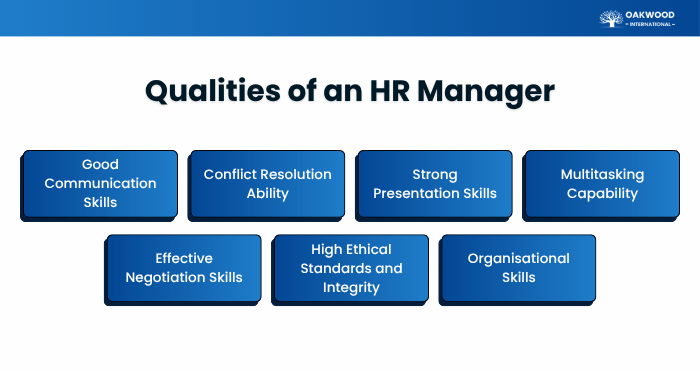
"I believe a strong leader communicates clearly, listens actively, and leads with integrity. They inspire trust, make informed decisions, and support their team's growth. Being adaptable and approachable helps create a positive work environment where people feel motivated to perform."
Q: How do you prioritise your tasks when faced with multiple deadlines or high-pressure HR situations?
"I assess tasks based on urgency, business impact, and legal importance. I create a clear action plan, delegate where appropriate, and keep stakeholders informed. Staying organised and flexible helps me manage competing priorities without compromising quality or deadlines."
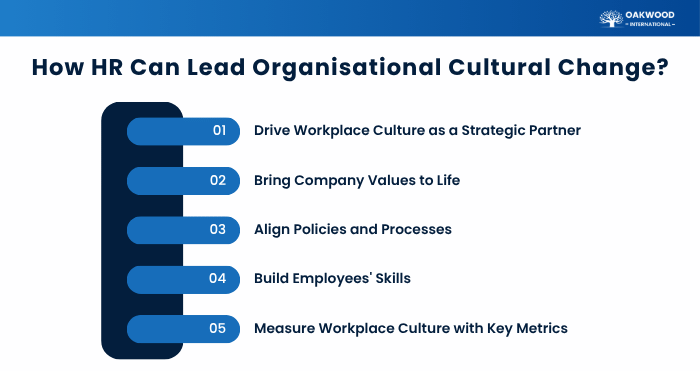
Q: What do you believe HR's role is in shaping company culture, and how have you taken initiative in this area in the past?
"HR plays a key role in building a positive and inclusive workplace culture. In my previous role, I introduced employee feedback initiatives and recognition programmes that improved engagement and strengthened collaboration. I believe culture grows through consistent actions, not just policies."
Q: How do you balance enforcing company policies with maintaining a positive and supportive workplace culture?
"I apply policies consistently while understanding each situation individually. I communicate expectations clearly, listen to employee concerns, and explain the reasons behind each decision. This approach helps build fairness, trust, and a supportive workplace without compromising company standards."
Q: How do you assess whether a potential hire will be a good cultural fit during the interview process?
"I ask behavioural questions that explore how candidates collaborate, solve problems, and respond to workplace challenges. I also assess whether their values align with the organisation's culture while ensuring hiring decisions remain fair, objective, and focused on skills and potential."
Q: Describe a time when you had to handle a difficult situation with a team member. How did you approach it, and what was the outcome?
"I once worked with an employee whose performance had declined. I met with them privately, listened to their concerns, and created a clear improvement plan with regular check-ins. Their performance improved, and the experience strengthened trust and communication within the team."
Q: Share an example of how you have implemented diversity and inclusion initiatives in your previous roles. What challenges did you face, and how did you address them?
"I introduced structured interview processes and inclusive recruitment practices to reduce bias. Initially, there was some resistance to change, so I provided training and shared the benefits with managers. Over time, we saw improved collaboration and a more diverse talent pipeline."
Q: What do you think makes you a great HR Manager?
"I combine strong people skills with a strategic mindset. I enjoy solving workplace challenges, supporting employees, and helping leaders make informed decisions. I build trust through fairness, clear communication, and a commitment to creating a positive and high-performing workplace."
Q: Describe a challenging HR project you initiated and successfully implemented. What was your approach, and what were the results?
"One of the most challenging HR projects I led was introducing a structured performance management framework across multiple departments. I worked closely with managers to understand their needs, developed clear processes, and delivered training to ensure smooth adoption. I also gathered feedback and made improvements where needed. The project resulted in consistent performance reviews, greater employee engagement, and better alignment between individual goals and business objectives."
Q: Discuss a situation where you made a critical HR-related decision under uncertainty. How did you ensure the decision's success?
"I once had to make a workforce planning decision with limited information. I reviewed available data, consulted managers, assessed potential risks, and communicated openly with employees. Taking a balanced and informed approach helped minimise disruption and support business continuity."
Advance your career with HR management by joining the Certified HR Manager Training today!
Q: How do you ensure effective communication between HR and other departments within an organisation?
"I foster regular communication with other departments through meetings, updates, and collaborative planning sessions. I encourage open feedback, respond promptly to concerns, and work closely with department leaders to ensure HR initiatives align with business priorities."
Q: Describe a time when you had to convey complex HR policies or procedures to non-HR team members. How did you ensure their understanding?
"I simplified the policy using practical examples and simple language, then held interactive sessions where employees could ask questions. I shared easy-to-follow guides and followed up afterwards to address any remaining concerns."
Q: How do you handle conflicts arising from miscommunication within a team or between departments?
"I first listen to everyone involved to understand the issue. Then I clarify misunderstandings, encourage open discussion, and focus on identifying a solution that works for everyone. Clear communication and timely action usually prevent similar issues from happening again."
Q: Illustrate your approach to delivering difficult news or sensitive information to people.
"I handle sensitive conversations with empathy, honesty, and respect. I choose an appropriate setting, explain the situation clearly, listen to the person's concerns, and provide support where possible. My goal is to ensure people feel heard and treated fairly."
Q: Describe your approach to establishing employee KPIs. How do you ensure that these metrics align with both individual and organisational goals?
"I develop measurable Key Performance Indicators (KPIs) based on business objectives and each employee's role. I involve managers and employees in the process, set clear expectations, and review progress regularly. This helps keep goals realistic, transparent, and aligned with organisational priorities."
Q: Can you share an instance where you successfully managed underperforming team members? What strategies did you employ to improve their performance, and what were the outcomes?
"I noticed an employee's performance had started to decline, so I met with them to understand the challenges they were facing. Through open discussions, we identified the root causes and developed a clear performance improvement plan with realistic goals and ongoing support. Over time, their confidence and performance improved, leading to stronger productivity and better team collaboration."
Q: Discuss your process for conducting performance appraisals or reviews. How do you ensure fairness and objectivity in evaluations while providing constructive feedback?
"I use measurable performance data, manager input, and employee self-assessments to ensure balanced evaluations. During the review, I recognise achievements, discuss areas for improvement, and agree on practical development goals to support future growth."
Learn how to align people strategy with business goals by joining the HR Strategy Training – Sign up now!
Q: Describe a situation where you had to handle conflicts arising from performance evaluations or management. How did you address the disagreements or disputes?
"I once managed a situation where an employee disagreed with their performance evaluation. I listened to their concerns, reviewed the assessment against documented objectives and feedback, and facilitated an open discussion with their manager. Together, we agreed on clear expectations and a development plan, which helped resolve the disagreement and rebuild trust."
Q: What experience do you have in developing a positive employer brand?
"I've supported employer branding by improving the candidate experience, promoting employee success stories, and strengthening our presence on professional networking platforms. I also encouraged employee referrals and gathered feedback to ensure our employer brand reflected the company's values and culture."
Q: Discuss a situation where you successfully onboarded a new hire and ensured their smooth integration into the company culture.
"I created a structured onboarding plan with clear objectives, regular check-ins, and a mentor for the new employee. This helped them understand their role, build relationships quickly, and become productive while feeling welcomed and supported."
Q: Describe a time when you had to manage a high-volume recruitment drive. How did you ensure efficiency and quality in the recruitment process?
"I streamlined the recruitment process by standardising interview questions, prioritising key roles, and using an applicant tracking system. Close collaboration with hiring managers helped maintain hiring quality while meeting tight recruitment deadlines."
Q: How do you ensure continuous learning and skill development among people in an organisation?
"I identify skill gaps through performance reviews and business needs, then create targeted learning opportunities. I encourage a mix of workshops, online courses, mentoring, and regular feedback to support continuous employee development."
Q: Discuss a time when you had to manage a tight training budget. How did you optimise resources while ensuring quality training?
"I prioritised high-impact training, used internal subject matter experts, and introduced cost-effective online learning resources. This allowed us to deliver valuable training while staying within budget and meeting development goals."
Q: Explain your approach to evaluating the return on investment of training initiatives. How do you measure their impact on the performance and productivity of a team?
"I measure training success by comparing performance metrics before and after the programme, gathering employee feedback, and reviewing business outcomes. Improvements in productivity, employee engagement, and performance help determine the overall return on investment."
Q: What experience do you have in developing and implementing HR policies and procedures?
"I've developed and updated HR policies covering recruitment, attendance, performance management, and employee conduct. I ensure policies comply with legal requirements, communicate them clearly, and review them regularly to keep them relevant and effective."
Q: How do you stay updated on HR trends and industry best practices? Can you describe a time when you implemented a new HR strategy based on emerging trends?
"I regularly follow HR publications, attend webinars, and participate in professional networks. After noticing the growing demand for flexible working, I helped introduce a hybrid work policy that improved employee satisfaction and productivity."
Turn workforce data into better decisions with the HR Analytics Course – Sign up today!
Q: Describe your hiring approach. How do you attract and source qualified candidates?
"I use a combination of job boards, LinkedIn, employee referrals, recruitment agencies, and networking events to attract candidates. I focus on creating clear job descriptions and maintaining a positive candidate experience throughout the hiring process."
Q: Which HR technology tools do you prefer? Can you recommend one system each for applicant tracking, payroll, onboarding, and employee referrals?
"I'm comfortable using different HR platforms depending on business needs. For example, I'd recommend Greenhouse for applicant tracking, ADP for payroll, BambooHR for onboarding, and ERIN for employee referrals because they are user-friendly and widely trusted."
Q: In your experience, which benefits and perks drive the highest employee satisfaction and engagement?
"In my experience, employees value benefits that support both their professional and personal well-being. Flexible working arrangements, learning and development opportunities, health benefits, recognition programmes, and career growth opportunities consistently improve engagement, satisfaction, and employee retention."
Q: How do you deal with employee feedback, especially when it is negative or critical of company policies or leadership?
"I welcome honest feedback and listen without being defensive. I take time to understand employees’ concerns, identify any recurring issues, and share constructive feedback with leadership where appropriate. Keeping employees informed about any actions taken helps build trust and encourages open communication."