

 Back
Back


 Back to Catagories


Table of Contents


 44 7452 122728
You aced the technical questions, explained your experience with confidence, and thought the interview was over. Then came questions about teamwork, feedback and workplace relationships. Why? Because employers don't just hire for skills anymore, they hire people who can collaborate, stay engaged, and help teams succeed. Employee Engagement Interview Questions reveal how you work with others, handle challenges, and contribute to a positive workplace culture.
In this blog, we've compiled the most common Employee Engagement Interview Questions and Answers to help you understand what interviewers expect and answer every question with confidence.
Employee Engagement Interview Questions with Answers
Here are the most commonly asked Employee Engagement Interview Questions with Answers to help you prepare confidently for your next interview.
Q: What is Employee Engagement and why is it important?
Employee Engagement is defined as the level level of commitment, enthusiasm, and connection employees have toward their work and organisation. Engaged employees take ownership of their responsibilities, collaborate effectively with colleagues, and consistently strive to achieve team and organisational goals.
Employee Engagement is important because it influences productivity, job satisfaction, employee retention, and overall workplace morale. When employees feel valued, recognised, and supported, they are more likely to remain motivated and contribute innovative ideas. On the other hand, disengaged employees may show reduced productivity, lower morale, and a higher likelihood of leaving the organisation.

Q: How do you assess Employee Engagement?
I believe Employee Engagement should be assessed using both measurable data and regular conversations. Surveys, one-to-one meetings, performance reviews, attendance patterns, and employee feedback can all provide valuable insights into engagement levels. However, numbers alone don't tell the whole story.
I also pay attention to behavioural indicators such as participation in team discussions, willingness to take initiative, collaboration with colleagues, and enthusiasm for new projects. Encouraging open communication helps identify concerns before they become larger issues.
Q: How do you identify employees who are frustrated or disengaged?
Disengaged employees often display changes in behaviour rather than openly expressing their concerns. Common signs include reduced participation in meetings, missed deadlines, lower work quality, decreased collaboration, frequent absenteeism, or a lack of enthusiasm for new responsibilities.
If I notice these signs, I wouldn't make assumptions. Instead, I would schedule a private conversation to understand whether workload, personal challenges, unclear expectations, or workplace issues are affecting their engagement. Listening without judgement helps build trust and encourages honest communication.
Q: Do you think a disengaged employee is ever beyond help?
In most situations, I don't believe a disengaged employee is beyond help. Disengagement is often caused by factors such as unclear expectations, limited growth opportunities, excessive workload, lack of recognition, or personal challenges rather than a lack of ability or commitment.
The very first step is to understand the root cause through open and respectful conversations. Once the issue is identified, practical solutions such as setting clearer goals, offering learning opportunities, recognising achievements, or adjusting workloads can help rebuild motivation.
Q: How do you make sure an engaged employee doesn't fall through the cracks?
Keeping engaged employees motivated requires continuous support rather than assuming they will remain engaged on their own. Regular check-ins, meaningful recognition, constructive feedback, and opportunities for professional development help maintain their enthusiasm and commitment.
I also believe in involving engaged employees in new projects, encouraging them to share ideas, and providing opportunities to mentor others or take on additional responsibilities when appropriate. At the same time, it's important to monitor workload to prevent burnout, as highly engaged employees are often the ones who take on extra work.
Q: How do you improve employee morale and motivation?
I improve employee morale by creating an environment where people feel valued, supported, and connected to their work. I believe recognition plays a major role, so I make an effort to acknowledge achievements, both big and small. Clear goals, opportunities and regular feedback for growth also help employees stay motivated.
In addition, I encourage open communication and involve team members in decisions that affect their work. When employees feel heard and understand how their contributions impact the organisation, their motivation naturally increases. I also pay attention to workload balance and team well-being, because sustained morale comes from both appreciation and support.
Q: How do you foster open communication and collaboration?
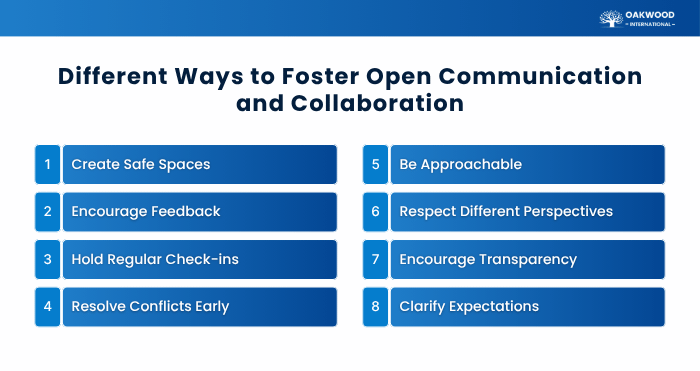
I foster open communication by establishing a safe and respectful space where everyone feels comfortable sharing ideas, questions, and concerns. I encourage regular team discussions, one-to-one conversations, and active listening so that communication flows in both directions.
For collaboration, I focus on setting clear goals, defining responsibilities, and encouraging knowledge sharing across the team. I also make sure different opinions are welcomed and discussed constructively. When people feel heard and understand that their input is valued, they are more likely to collaborate effectively and contribute to shared success.
Q: How do you create a positive and inclusive workplace culture?
I create a positive and inclusive work culture by fostering mutual respect, embracing diverse perspectives, and providing equal opportunities for every team member to contribute and grow. I believe inclusion is not just about policies; it is reflected in everyday interactions.
I encourage collaboration, recognise contributions fairly, and address any behaviour that may make others feel excluded. Creating space for open dialogue and celebrating different backgrounds and experiences helps strengthen trust within the team. When employees feel respected, included, and supported, they are more engaged and more likely to contribute their best work.
Q: How Can Organisations Encourage Honest Employee Feedback Without Fear of Retaliation?
Organisations can encourage honest feedback by building trust and demonstrating that feedback is welcomed, respected, and acted upon. Anonymous surveys can help employees share concerns more comfortably, but regular open conversations are equally important.
Leaders should respond to feedback professionally, avoid defensive reactions, and communicate the actions taken based on employee input. Employees are more likely to speak honestly when they see that their opinions lead to meaningful improvements and do not result in negative consequences.
Consistency, transparency, and psychological safety are key to creating a culture where honest feedback becomes a normal part of the workplace.
Develop future-ready learning solutions with CIPD Level 5 Associate Diploma in Organisational Learning & Development Course – Join now!
Q: What are the best practices for employee recognition?
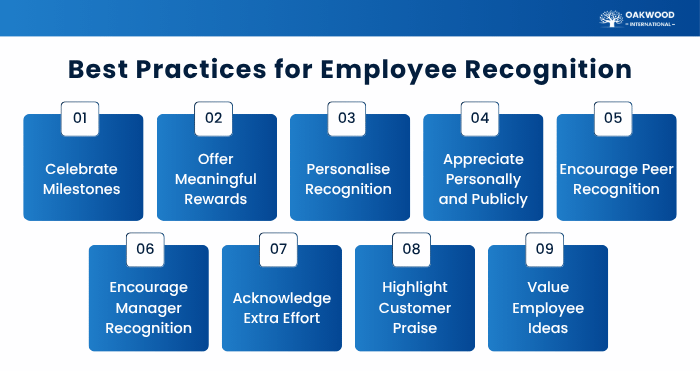
The best employee recognition is timely, specific, and meaningful. Instead of giving only general praise, I believe it is more effective to recognise the exact contribution an employee made and the impact it had on the team or organisation.
Recognition should be fair and consistent across all employees. Some people appreciate public recognition, while others prefer private appreciation, so understanding individual preferences is important. I also believe recognition should not be limited to major achievements; acknowledging effort, collaboration, problem-solving, and continuous improvement helps reinforce positive behaviours and maintain long-term engagement.
Q: How do you engage employees from different cultural backgrounds?
I engage employees from different cultural backgrounds by creating an inclusive environment where everyone feels respected, valued, and heard. I encourage open communication, welcome diverse perspectives, and ensure every team member has an equal opportunity to contribute. Understanding cultural differences in communication styles, work preferences, and traditions also helps build stronger relationships.
I believe small actions, such as celebrating cultural events, promoting collaboration across diverse teams, and addressing bias promptly, can make a significant difference. When employees feel accepted for who they are and know their ideas are valued, they are more engaged, motivated, and committed to achieving shared goals.
Q: How should organisations respond when Employee Engagement survey participation or results are low?
Low participation or poor survey results should be viewed as an opportunity to understand employee concerns rather than a failure. I would first identify the reasons behind the low response rate, such as lack of trust, survey fatigue, or uncertainty about whether feedback leads to meaningful change.
After gathering insights, the organisation should communicate the findings transparently, develop an action plan, and regularly update employees on the improvements being made. When employees see that their feedback is valued and leads to real action, they are more likely to participate in future surveys and remain engaged in the organisation's growth.
Q: How can you demonstrate Employee Engagement during an interview?
I demonstrate Employee Engagement during an interview by showing genuine enthusiasm for the role, the organisation, and its values. I highlight examples of working collaboratively, taking initiative, solving problems, and contributing to team success. I also explain how I stay motivated, adapt to challenges and continuously look for ways to improve my skills and performance.
Asking thoughtful questions about the company's culture, learning opportunities, and employee development also reflects my interest in building a long-term career rather than simply securing a job. This demonstrates that I value both personal growth and organisational success.
Q: How do you keep employees engaged during organisational change?
During organisational change, I believe honest and consistent communication is essential. Employees are more likely to stay engaged when they understand why the change is happening, how it affects them, and what support is available. I would encourage leaders to share updates regularly and address questions openly.
I also involve employees in the change process wherever possible by seeking their feedback and encouraging participation in finding solutions. Providing training, recognising achievements during the transition, and celebrating small milestones help reduce uncertainty and maintain motivation. When employees feel informed, supported, and included, they are more likely to embrace change positively.
Q: Can you describe a time you went beyond your role to improve team engagement?
In one of my previous roles, I noticed that team members rarely shared ideas outside their assigned tasks, which affected collaboration and creativity. Although it wasn't part of my responsibilities, I suggested introducing short knowledge-sharing sessions where team members could discuss challenges, share best practices, and learn from one another.
The initiative encouraged more open communication, improved teamwork, and created a supportive learning environment. Team members became more comfortable asking questions and contributing ideas, which strengthened overall engagement. This experience taught me that taking initiative to improve collaboration can have a positive impact on both employee morale and team performance.
Lead people strategy with confidence with the best CIPD Level 7 Advanced Diploma in Strategic People Management Course - Register now!
Q: How do you contribute to a positive work environment?
I contribute to a positive work environment by treating everyone with respect, maintaining open communication, and supporting my colleagues whenever needed. I believe a positive workplace is built on trust, collaboration, and mutual appreciation rather than individual achievements alone.
I also try to maintain a solution-oriented mindset when challenges arise and encourage constructive discussions instead of focusing on problems. Recognising others' contributions, being approachable, and sharing knowledge whenever possible helps create a culture where people feel valued and motivated to do their best work.
Q: How do you respond to feedback?
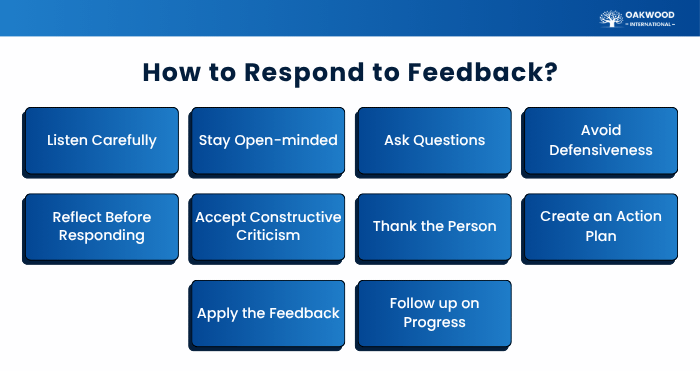
I respond to feedback with an open mind and view it as an opportunity to grow. I begin by listening carefully without interrupting or becoming defensive. If anything is unclear, I ask questions to better understand the feedback and take time to reflect before responding.
I appreciate constructive criticism because it helps me identify areas for improvement. After thanking the person for their input, I create an action plan to apply the feedback and make meaningful changes. I also follow up, when appropriate, to share my progress and ensure I've addressed the feedback effectively. This approach has helped me continuously improve my performance while building trust and maintaining positive working relationships.
Q: Can you describe a time you motivated a disengaged team member?
In a previous project, I noticed a colleague who had become less involved in team discussions and seemed unmotivated. Instead of making assumptions, I had a private conversation to understand if there were any challenges affecting their performance. They shared that they were feeling overwhelmed and unsure about their priorities.
I helped clarify their responsibilities, offered support where possible, and encouraged regular check-ins to discuss progress. Over the following weeks, their confidence improved, they became more engaged in team activities, and their overall performance increased. This experience reinforced the importance of empathy, communication, and timely support in maintaining Employee Engagement.
Q: How would you handle conflict within your team while maintaining Employee Engagement?
I would address the conflict promptly and objectively by first listening to everyone involved without making assumptions. Understanding each person's perspective helps identify the root cause and prevents misunderstandings from escalating further.
Once the concerns are clear, I would encourage a respectful discussion focused on finding a solution rather than assigning blame. I believe setting common goals, clarifying expectations, and promoting open communication help rebuild trust and strengthen teamwork. Resolving conflicts fairly and professionally not only improves relationships but also keeps employees engaged and focused on shared objectives.
Q: Can you share an example of a successful Employee Engagement initiative you contributed to?
In one of my previous roles, I noticed that team members had limited opportunities to share knowledge and discuss challenges outside their daily tasks. I suggested organising short knowledge-sharing sessions where team members could exchange ideas, discuss best practices, and learn from each other's experiences.
The sessions encouraged greater participation, improved communication, and created a more collaborative work environment. Team members became more comfortable asking questions, sharing suggestions, and supporting one another. As a result, the team worked more effectively, and overall engagement improved. This experience showed me that even small initiatives can make a meaningful difference when they encourage collaboration, continuous learning, and open communication.